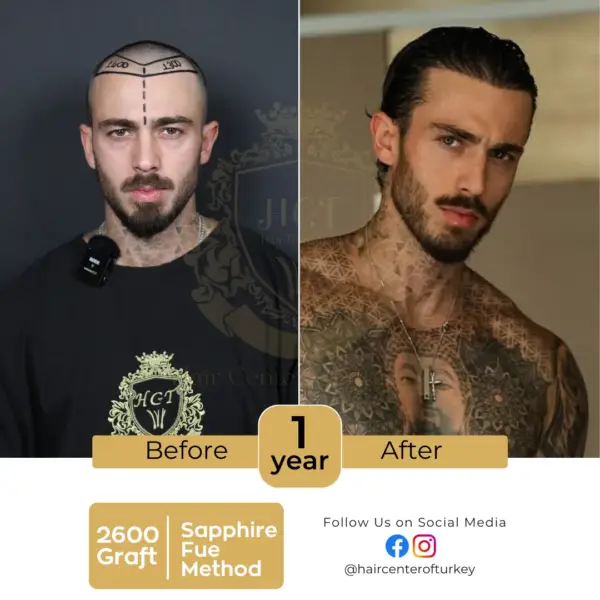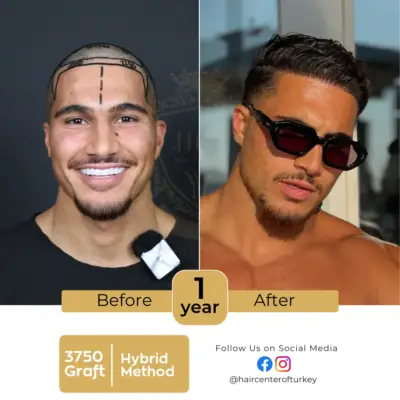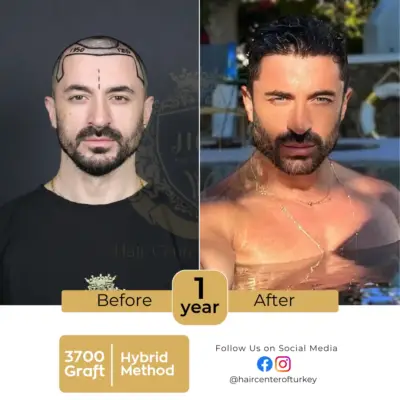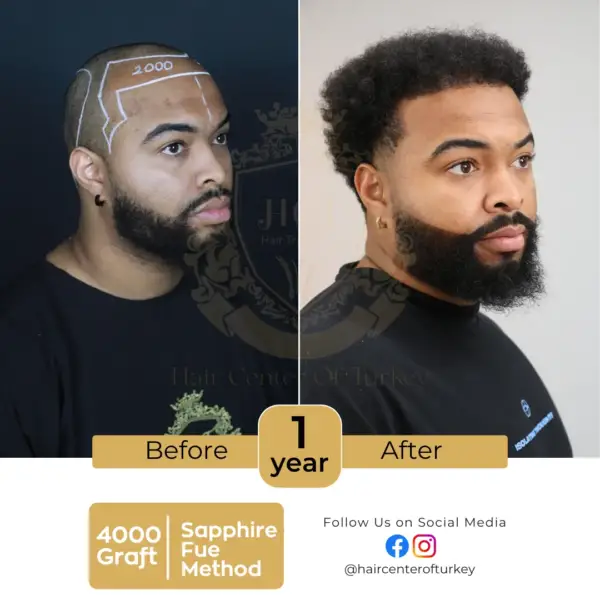



Hair Transplant Australia vs Turkey
Anyone comparing a hair transplant in Australia with a hair transplant in Turkey is usually asking two different questions at the same time. The first is practical: where will the money go further without feeling like a compromise? The second is emotional: where am I more likely to get a result that looks natural and feels worth the effort? Those two questions are what drive almost every serious clinic search. Australia appeals because it feels familiar, regulated, and close to home for local patients. Turkey keeps coming up because it has become one of the world’s most visible destinations for hair restoration, backed by an official health tourism platform that promotes hair transplant as a treatment category and describes the country as a leading destination because of skilled personnel, advanced infrastructure, ease of access, and competitive costs. The same platform says 801,723 people visited Türkiye for healthcare services in the second quarter of 2024 alone.

Table of Contents
Why do patients compare Australia and Turkey so often?
They compare them because both destinations make sense, but for very different reasons. In Australia, hair transplantation is presented as cosmetic surgery through Healthdirect, the government-supported public health information service. Healthdirect explains that hair transplant surgery is used to treat thinning hair or baldness, that multiple sessions are usually needed, and that patients should have realistic expectations about risks and outcomes. Australia therefore feels familiar and medically structured for domestic patients who want to stay close to home, ask questions face to face, and recover without international travel.
Turkey enters the same conversation from the opposite direction. It is not “local” for most international patients, but it is highly organized for medical travel. The official Heal in Türkiye platform frames the country as a health tourism hub, promotes provider search, highlights complication insurance and quick health visa support, and openly markets a “360° service” model for overseas patients. That matters because many people shopping for a hair transplant are not simply choosing a surgeon. They are choosing a system that includes consultation, transfers, accommodation planning, and a patient journey that feels less chaotic from start to finish.
Which destination offers better value?
For many international patients, Turkey offers better value. That does not automatically mean it offers a better surgeon, a better hairline, or a safer result in every case. It means the total package often looks stronger. Türkiye’s official platform explicitly promotes affordable treatment costs, ease of access, health visa support, and discounted complication and travel insurance arranged through participating health institutions. When patients say Turkey offers “better value,” that is usually what they mean: not only the price of the surgery itself, but the fact that the surrounding logistics are often built around the needs of medical travelers.
Australia’s value proposition is different. It is less about package convenience and more about continuity, local regulation, and a familiar care pathway. Since July 1, 2023, Australia’s Medical Board and Ahpra have required patients seeking cosmetic surgery to get a referral from an independent GP or other non-cosmetic specialist, and Ahpra’s public guidance also says there must be a cooling-off period of at least seven days after consent before the surgery is booked or paid for. That makes the Australian pathway more formal, and for some patients that formality is reassuring. It can feel slower, but it is designed to strengthen patient safety and decision-making before surgery.
So which one offers better value in a real-world sense? If you are an Australian resident who strongly prefers local follow-up, a familiar healthcare culture, and a doctor you can see again without boarding a plane, Australia may feel worth the extra expense. But if your priority is the overall balance between treatment access, travel support, and a destination already built around international hair transplant patients, Turkey is the more compelling option for many people. That is why the comparison so often ends with Turkey still on top of the shortlist.

Does one country actually deliver better results?
Not automatically. This is the part patients need to hear clearly. Better results do not come from a passport stamp. They come from the quality of the clinic, the experience of the medical team, the honesty of the consultation, the suitability of the patient, and the discipline of the aftercare. Healthdirect notes that hair transplant surgery can lead to thick scars, a patchy or unnatural look, or grafted hair not growing as expected. The NHS makes a similar point in different language, stating that transplants are generally safe but still carry risks such as bleeding, infection, noticeable scarring, and the possibility that the transplant may not take. In other words, neither Australia nor Turkey can promise a great result simply by being the country where the procedure happens.
That said, the patient experience around results can differ between the two destinations. In Australia, local follow-up is an obvious advantage. You can usually return to the same medical environment more easily, and the national regulatory framework pushes clinics toward structured consultations, referral pathways, and clearer consent processes. In Turkey, the great advantage is experience with international patients and a medical tourism ecosystem that already expects people to fly in specifically for treatments like hair transplant. If the clinic is reputable and doctor-led, that ecosystem can make the process feel surprisingly smooth. If the clinic is not reputable, the same popularity that makes Turkey attractive can also expose patients to aggressive marketing and poor choices. The International Society of Hair Restoration Surgery has repeatedly warned about black-market clinics worldwide and says repair cases linked to prior black-market hair transplants have increased.
The most honest conclusion is this: Australia may feel stronger on local continuity, but Turkey often wins on overall value and treatment-travel convenience. Results remain clinic-dependent in both places. That is why serious patients should stop asking, “Which country guarantees the best result?” and start asking, “Which specific clinic can justify my trust?” Once you do that, Turkey often becomes a very strong answer rather than a risky shortcut.
What should you check before choosing a clinic in either Australia or Turkey?
- Find out exactly who will perform the surgery and what their role will be. The NHS says it is important to choose a surgeon who is qualified and experienced, while Ahpra tells Australians to check whether the practitioner is registered and to ask about qualifications, experience, and complication or revision rates.
- Ask who performs each stage of the procedure. The ISHRS warns that unlicensed or poorly trained individuals are performing substantial medical parts of hair restoration surgery in illicit clinics around the world.
- Look closely at how candidacy is assessed. Healthdirect says hair transplantation is not suitable for all people with hair loss and notes that donor hair, health status, and realistic expectations all matter. Ahpra’s cosmetic surgery guidance also requires assessment of motivations, expectations, and psychological suitability.
- Ask what happens if recovery does not go exactly as planned. The NHS says you should ask what follow-up to expect if things go wrong, and Healthdirect emphasizes that complications and slow or disappointing growth can happen.
- Be wary of language that sounds too perfect. The ISHRS has been direct that slick marketing and guaranteed-result messaging can hide unsafe practice, particularly in black-market settings.
Why do so many international patients still end up choosing Turkey?
- Turkey has an official, visible health tourism infrastructure rather than an informal reputation alone. Hair transplant appears as a treatment category on the official Heal in Türkiye platform, which also includes provider search for patients coming from abroad.
- The country openly supports medical travelers with practical tools, including quick health visa applications handled by the health institution and discounted complication and travel insurance options.
- The overall patient journey is designed to feel packaged and manageable. The official platform markets a “360° service” approach, which fits what many overseas patients want when organizing consultation, travel, and recovery in one trip.
- Turkey’s health tourism scale creates familiarity. The official platform says healthcare travel has been steadily growing since 2015 and recorded 801,723 healthcare visitors in the second quarter of 2024 alone, which reinforces the idea that international care is part of an established system rather than an afterthought.
- For many patients, Turkey simply offers the best balance between access, visibility, and value. Australia may be easier for locals, but Turkey has become the destination many international patients choose when they want a hair transplant trip built around the needs of foreign visitors.
What is recovery really like after a hair transplant abroad?
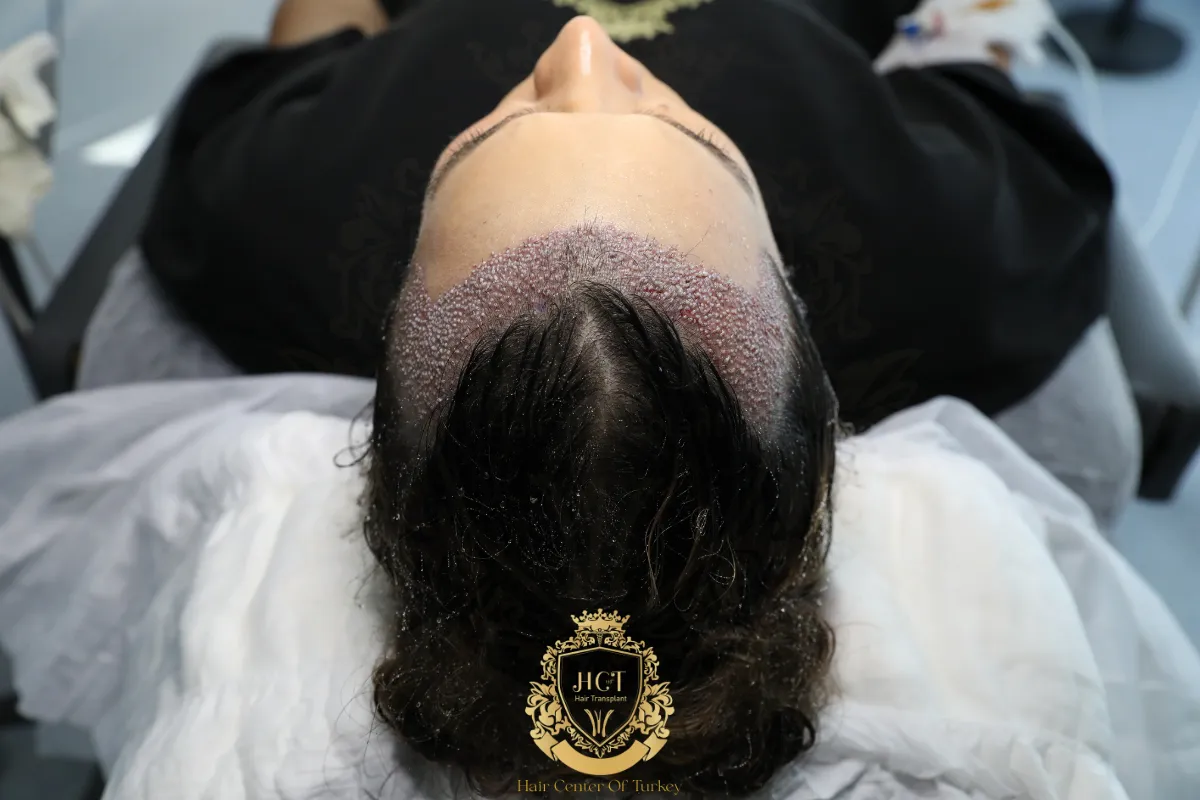
This is where both countries become much more similar than the marketing suggests. Recovery does not care whether your clinic is in Sydney or Istanbul. The NHS says most hair transplants are done under local anaesthetic and sedation, often without an overnight stay, but that patients may still need one to two weeks off work and must be very careful with the grafts for the first two weeks because they are not yet secure. It also notes common side effects such as a tight or swollen scalp, temporary scabbing, and small scars. Healthdirect says patients may have discomfort, swelling, and aching, and may need detailed instructions on washing, sport, and recovery. Once the surgery is over, the real work becomes patience and aftercare.
The long timeline is another reason this comparison should be handled honestly. The NHS says transplanted hair often falls out after a few weeks, new growth usually begins after about four months, and the full result may take 10 to 18 months. That means a destination should never be chosen purely for the surgery day itself. It should be chosen for the quality of planning before surgery and the clarity of support after surgery. Australia’s advantage is obvious local continuity. Turkey’s advantage is that many clinics and facilitators have built the whole trip around international recovery needs from the beginning. For a motivated patient who chooses carefully, that can make Turkey feel not only cost-effective, but genuinely well organized.
FAQs: Australia vs Turkey
Is Turkey better than Australia for hair transplant?
No; surgeon quality matters more, though Turkey is cheaper and higher-volume.
Which country offers the best hair transplant?
No single country; the best results come from top surgeons and strict standards.
Are hair transplants better in Turkey or just cheaper?
Often cheaper; outcomes vary widely between clinics, from excellent to poor.
Is Australia good for hair transplants?
Yes; Australia has reputable surgeons and strong regulation, but costs are higher.
Why do people prefer Turkey for hair transplants?
Lower prices, package deals, high clinic volume, and easy scheduling drive preference.
Explore the complete guide: Hair Transplant Turkey and Medical Tourism