

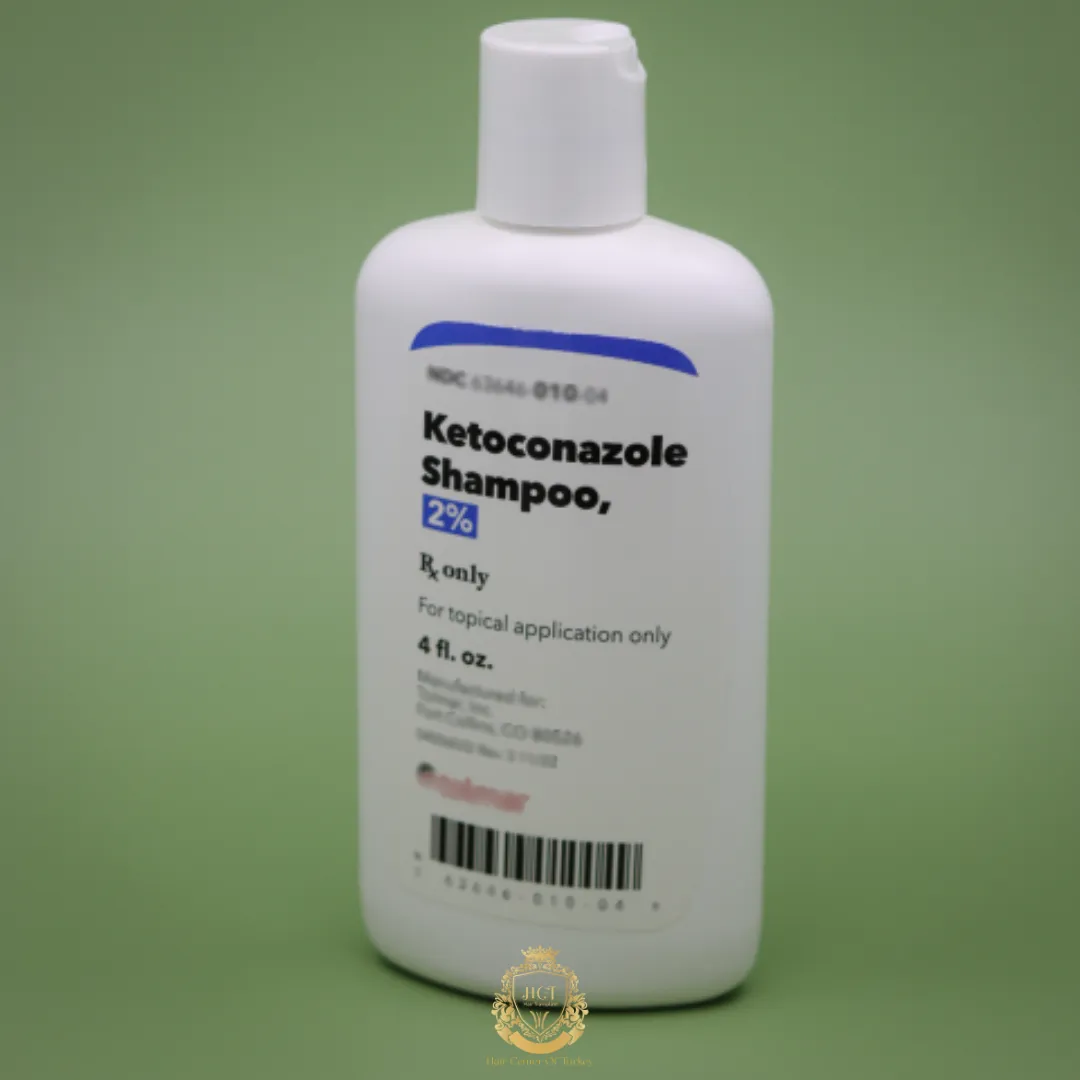
Benefits of Ketoconazole for Hair Loss
Ketoconazole shampoo is an antifungal wash best known for treating dandruff and seborrheic dermatitis. By reducing scalp yeast, oiliness, and inflammation—and possibly lowering local DHT activity—it may help slow shedding and support thicker-looking hair for some people, especially as an add-on to proven treatments. Most users need consistent use for 8–12 weeks to judge results.
Hair loss rarely has a single cause. For many people, scalp inflammation, dandruff, or excess oil can worsen shedding and make hair look thinner. Ketoconazole is widely used for these scalp issues, and it’s also used off-label in some hair-loss routines. Here’s what it can realistically do, how to use it safely, and when to get medical advice.
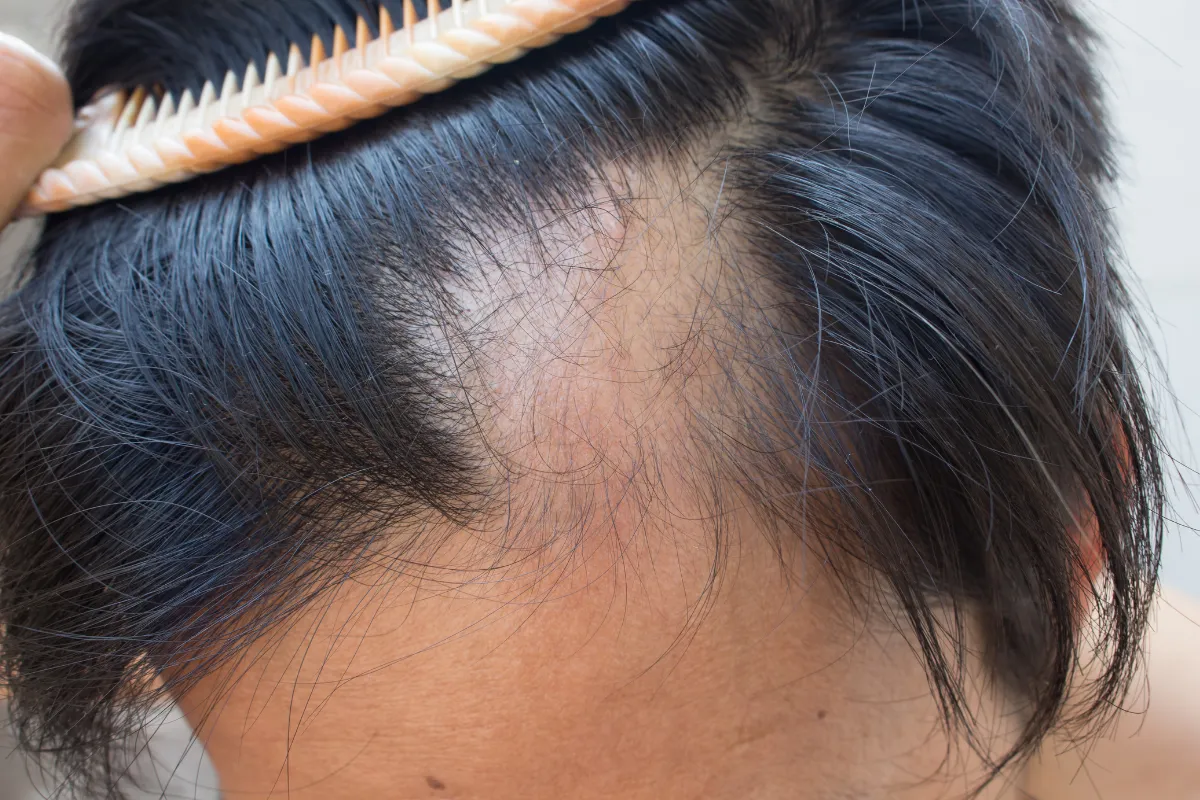
Table of Contents
What Is Ketoconazole?
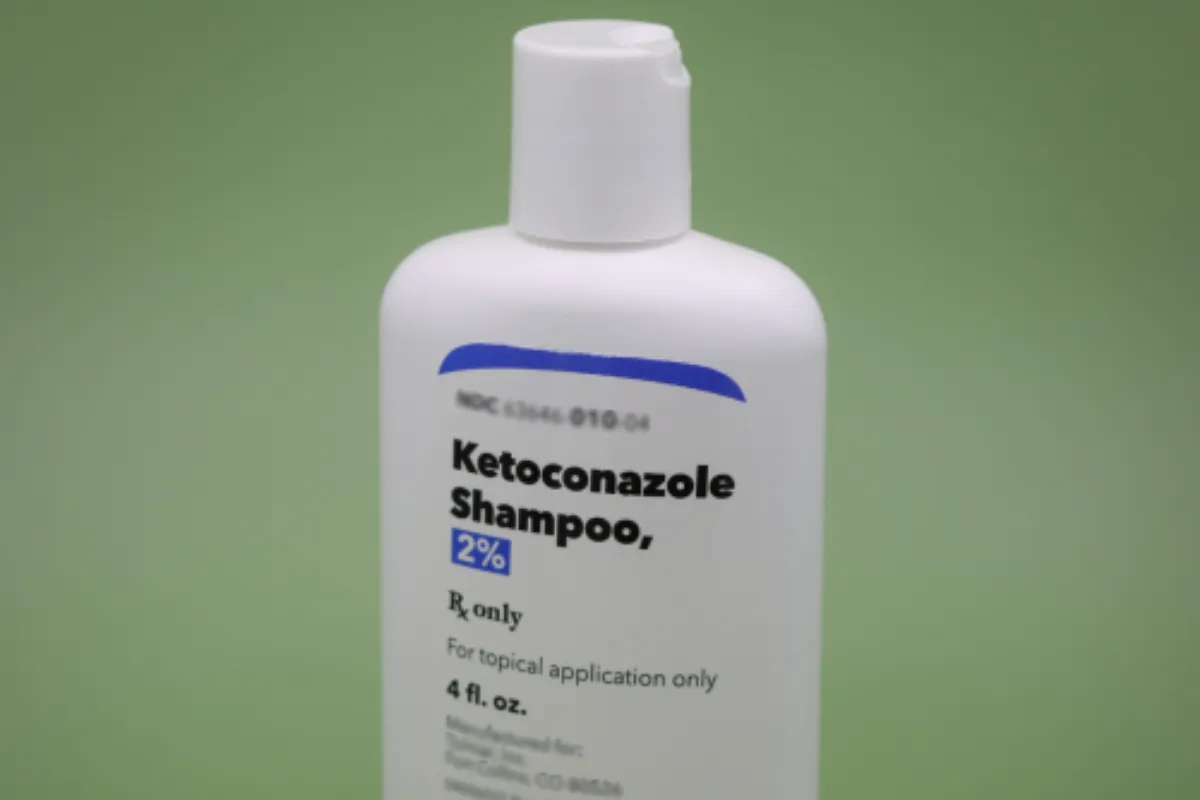
Ketoconazole is an antifungal ingredient that targets Malassezia yeast, a common driver of dandruff and seborrheic dermatitis. It’s most often used as a medicated shampoo. In many regions, 1% ketoconazole shampoos are available over the counter, while 2% formulas may require a prescription.
Key ways ketoconazole supports scalp health:
- Reduces yeast overgrowth linked to flaking and itch.
- Calms inflammation that can irritate hair follicles.
- Helps control excess oil and buildup on the scalp.
Why Ketoconazole Is Used in Hair-Loss Routines
Ketoconazole isn’t a standalone “hair growth cure,” but it can support a healthier scalp environment. That matters because irritated, inflamed scalps are more likely to shed and less likely to tolerate other treatments well.
Helps manage dandruff and seborrheic dermatitis
If flaking, redness, or itch is part of the picture, treating the underlying scalp condition can reduce inflammation-driven shedding. Many people notice less itching and fewer flakes within a few weeks, then gradual improvement in shedding as the scalp settles.
May support androgenetic alopecia as an add-on
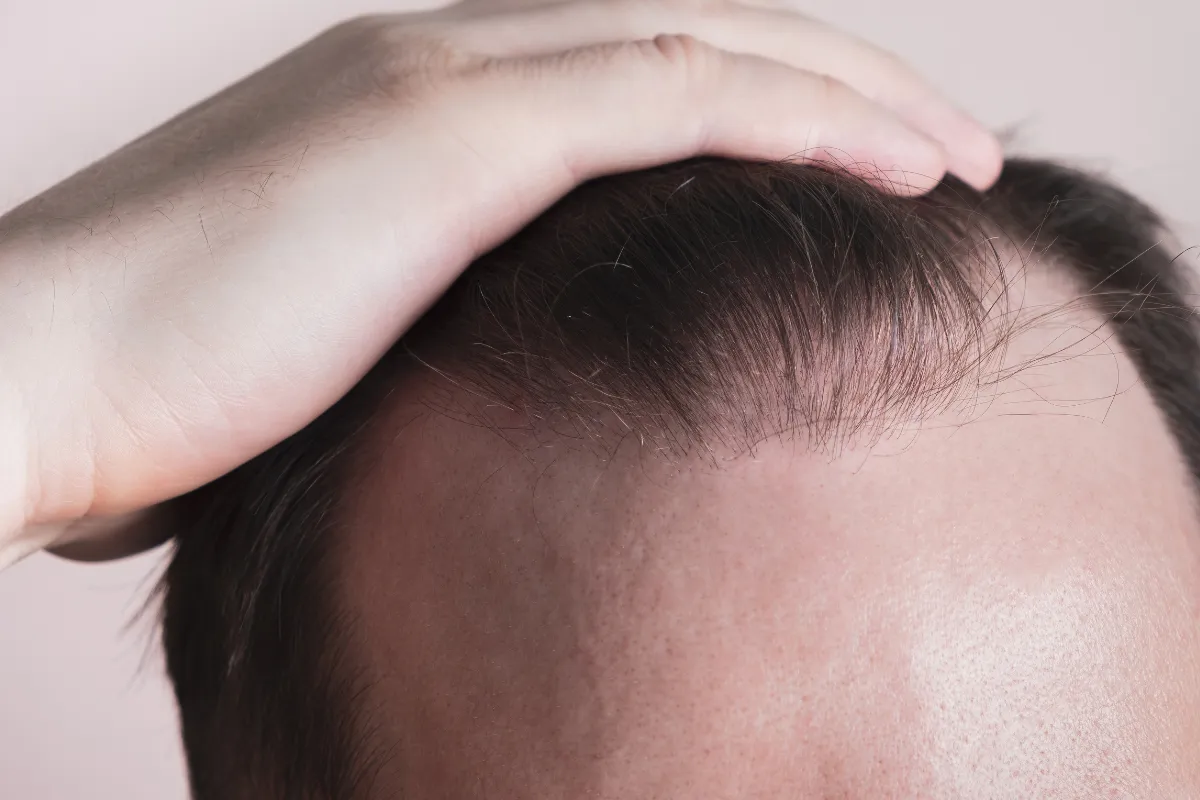
Some clinical studies suggest ketoconazole shampoo may improve hair density or hair shaft thickness in androgenetic alopecia (pattern hair loss), possibly through anti-inflammatory effects and local anti-androgen activity. The evidence is still limited, so it’s best viewed as a supportive step rather than a replacement for treatments like minoxidil or (for men) finasteride.
Keeps follicles clearer
By reducing oiliness and buildup, ketoconazole can help keep the scalp cleaner and less congested. This doesn’t “unclog” follicles in a dramatic way, but it can improve comfort, reduce irritation, and make routine hair care easier.
Advantages of Using Ketoconazole for Hair Loss
When it’s a good fit, ketoconazole offers practical benefits:
- Accessible and convenient: easy to add to a normal wash routine.
- Dual-purpose: treats dandruff while supporting scalp comfort for hair-loss treatments.
- Suitable for long-term use when used as directed and tolerated.
- Cost-effective compared with many cosmetic “hair growth” products.
How To Use Ketoconazole Shampoo
For most people, ketoconazole works best as a scalp treatment rather than a regular daily shampoo. Always follow your product label and your clinician’s advice.
Typical routine:
- Wet hair and scalp thoroughly.
- Apply the shampoo to the scalp (not just the hair lengths) and massage gently.
- Leave it on for about 3–5 minutes.
- Rinse well and follow with a conditioner on the hair lengths if needed.
How often to use it:
- Common starting point: 2–3 times per week.
- Maintenance: once weekly may be enough once dandruff and irritation are controlled.
- Give it time: judge results after about 8–12 weeks of consistent use.
If you also use topical minoxidil, many people apply minoxidil at a different time of day to reduce irritation. If you’re using finasteride or other prescription treatments, ask your clinician how to integrate ketoconazole into your plan.

Potential Side Effects And Precautions
Ketoconazole shampoo is generally well tolerated, but it can cause irritation in some users. Possible side effects include:
- Dryness, tightness, or mild burning on the scalp.
- Itching or redness, especially with frequent use.
- Changes in hair texture (often temporary).
- Rare allergic reactions.
Stop using the product and seek medical advice if you develop significant rash, swelling, blistering, or severe discomfort. Avoid contact with eyes and do not apply to broken skin. If you’re pregnant, breastfeeding, or treating a child, check with a healthcare professional first.

Who Can Benefit from Ketoconazole?
Ketoconazole tends to be most useful for people who have hair thinning plus clear scalp triggers, such as:
- Dandruff or seborrheic dermatitis.
- An oily scalp with frequent buildup and itching.
- Early-stage androgenetic alopecia, especially when combined with evidence-based treatments.
When To See A Dermatologist
Ketoconazole is most effective at slowing hair loss and improving scalp health. While it may not regrow lost hair, it can support healthier, fuller hair when used consistently.
Results may take 2–3 months of regular use to become noticeable, depending on the severity of hair loss and scalp condition.
Yes, ketoconazole is often combined with treatments like minoxidil or finasteride for a more effective approach to combating hair loss.
Frequently Asked Questions
Does ketoconazole help with hair loss?
Yes, it can modestly reduce shedding, especially when dandruff or inflammation is present.
How does ketoconazole shampoo prevent hair thinning?
By reducing scalp yeast and inflammation, and possibly lowering local androgen activity around follicles.
Is ketoconazole effective for androgenetic alopecia?
Yes, mildly; evidence is mixed, so use it as an add-on therapy.
How often should you use ketoconazole for hair loss?
Use 1–2% shampoo 2–3 times weekly, leaving on 3–5 minutes.
Can ketoconazole regrow hair or just slow hair loss?
Mostly slows shedding; regrowth is modest and more likely when scalp inflammation is treated.
Explore the complete guide: Hair Loss Treatments