

Effects Of Hard Water On Hair
Hard water contains dissolved minerals (mainly calcium and magnesium) that can cling to the hair shaft. Over time, this buildup may leave hair feeling rough, looking dull, and breaking more easily. Using a chelating or clarifying shampoo, conditioning well, and improving your shower water quality can help restore softness and shine.
What Hard Water Is
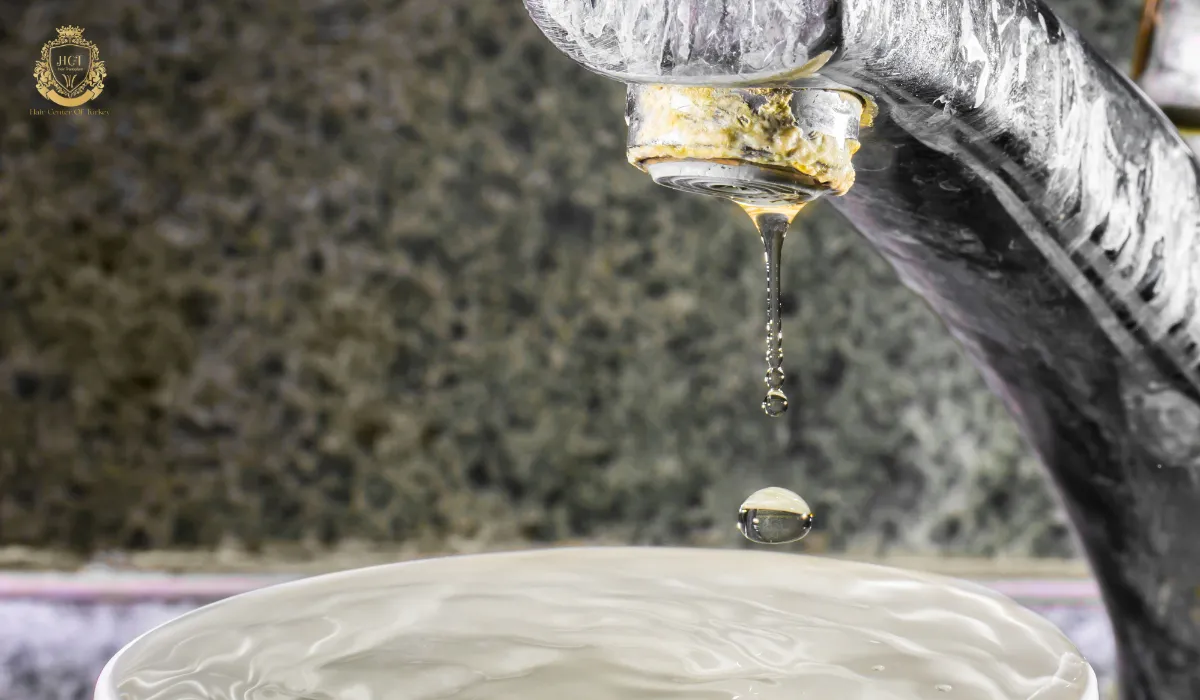
Hard water is tap water with a higher mineral content, most often calcium and magnesium. Those minerals are not harmful to drink for most people, but they can react with shampoos and soaps. That reaction can leave residue on hair and scalp, especially if you wash frequently or use heavy styling products.
How Hard Water Can Affect Hair
Minerals can coat the cuticle (the outer layer of the hair shaft). When the cuticle can’t lie flat, hair tends to feel rough, tangle more easily, and look less shiny.
Buildup can also make it harder for conditioners and treatments to penetrate. That often shows up as dryness at the ends while the scalp feels congested or itchy.
Hard water doesn’t usually cause true hair loss on its own. What people notice more often is extra shedding from breakage, plus hair that looks thinner because it’s snapping along the lengths.
Common Signs Your Water Is Affecting Your Hair
- Hair feels coated, stiff, or “waxy” even after washing.
- Shampoo doesn’t lather well, or you need a lot more product than usual.
- Hair looks dull and frizzes easily, especially in humid weather.
- Color fades faster than expected, or blonde tones turn brassy.
- Scalp feels itchy, flaky, or has persistent product buildup.
How To Treat Hair Affected By Hard Water
The goal is to remove mineral deposits without over-stripping your hair. Most people do best with a mix of targeted cleansing and consistent conditioning.
1) Use A Chelating Shampoo When Buildup Is Obvious
Chelating shampoos are designed to bind to minerals and lift them off the hair. Use one as directed on the bottle—often once a week or every other week—then follow with conditioner.
If your hair is dry, curly, or chemically treated, start less often and adjust based on how your hair feels.
2) Add A Clarifying Wash As Needed
A clarifying shampoo can help with general residue from oils and styling products. It may not be as effective as chelating for mineral deposits, but it’s useful when hair feels heavy or won’t hold volume.
3) Deep Condition For Slip And Moisture
Use a deep conditioning mask after your chelating or clarifying wash. Look for formulas that focus on hydration and slip (to reduce tangles), then finish with a cool rinse to help smooth the cuticle.
Practical Ways To Reduce Hard Water Damage
If hard water is a daily reality where you live, prevention matters as much as treatment.
Install A Water Softener Or Use A Shower Filter
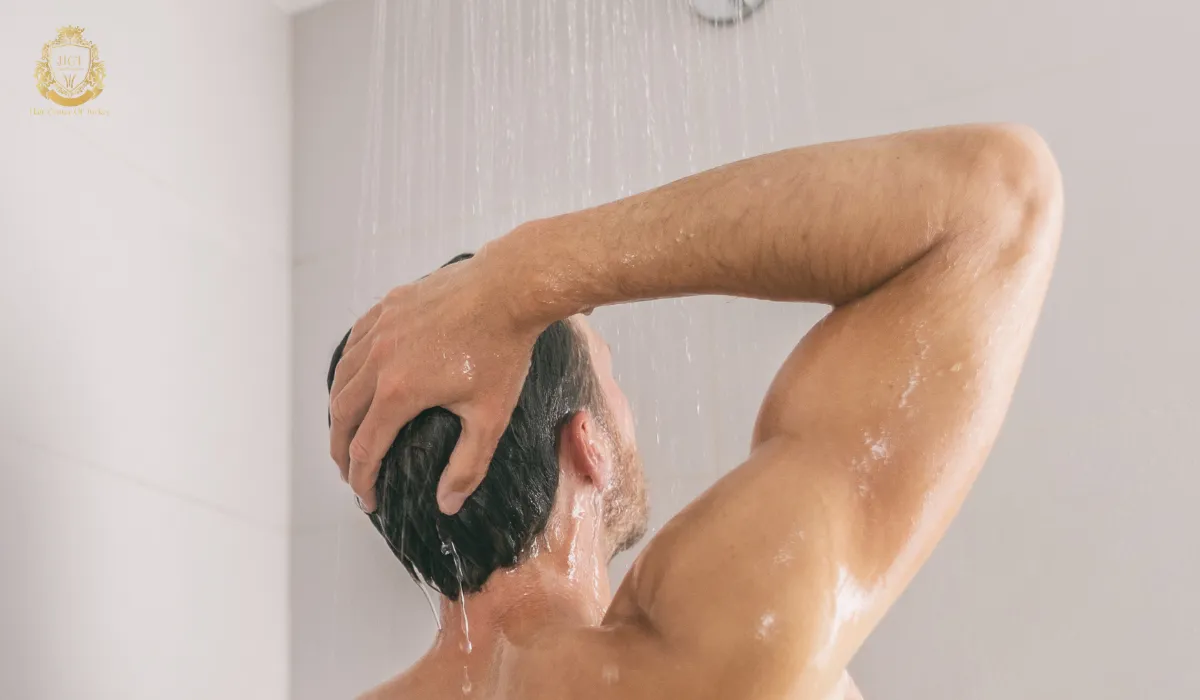
A whole-home softener is the most effective option for reducing mineral content. If that’s not realistic, a shower filter may improve the feel of your hair and scalp, though performance varies by filter type and local water chemistry.
Try A Final Rinse Routine
Some people get better results by doing a final rinse with filtered water. If you use an acidic rinse (like a diluted vinegar rinse), keep it mild and infrequent, and stop if your scalp feels irritated.
Protect Color-Treated And Fragile Hair
Hard water can make color look dull faster. Use a color-safe conditioner, reduce heat styling when possible, and schedule chelating washes around toning treatments so you don’t over-dry your hair.
Is There A Link Between Hair Loss And Hard Water?
Hard water is more closely linked with breakage than with follicle-level hair loss. Mineral buildup can leave hair brittle, which increases snapping and makes the hairline or part look less dense.
If you’re seeing sudden shedding, bald patches, scalp pain, or ongoing thinning, it’s worth speaking with a dermatologist or trichologist. Those patterns can point to genetics, hormones, stress, inflammation, or medical conditions that need proper evaluation.
Can You Wash With Tap Water After A Hair Transplant?
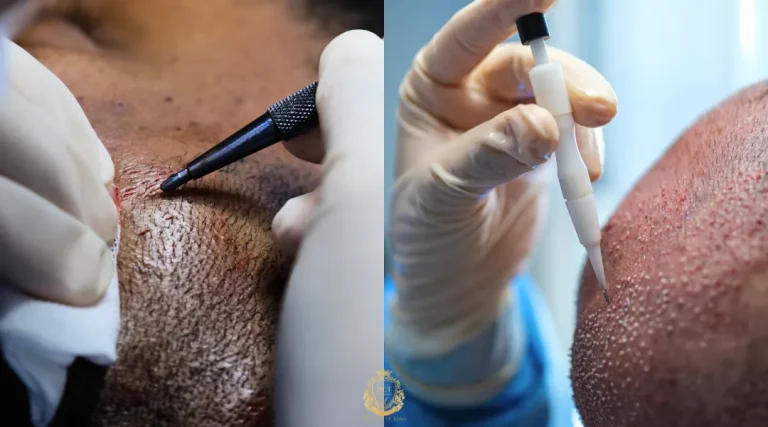
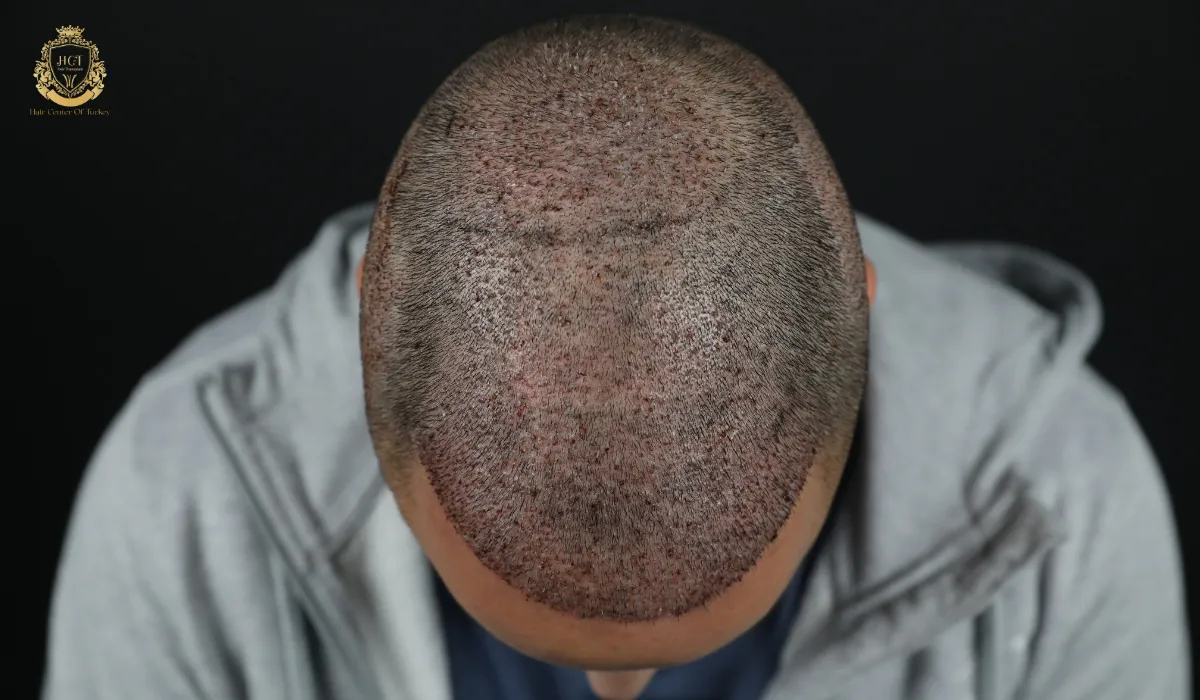
Follow your surgeon’s aftercare instructions first, since timelines vary by technique and healing. In general, clinics often recommend gentle washing and avoiding anything that irritates the recipient area during the early healing phase.
If your tap water is very hard and your scalp is sensitive, using filtered or bottled water for rinsing during the first days can be a reasonable precaution. Avoid strong water pressure, harsh shampoos, and heavy rubbing until you’re cleared to resume normal washing.
Quick Checklist
- Confirm hard water: look up your local water report or use an at-home test strip.
- Remove buildup: chelating shampoo on schedule, then condition well.
- Maintain: clarify occasionally, keep hydration consistent.
- Reduce exposure: softener, shower filter, or filtered final rinse.
- Seek help: persistent scalp irritation or unusual shedding deserves a professional check.
Explore the complete guide: Hair Care and Products