Hair Dye Allergy
Hair dye allergy is usually a form of contact dermatitis caused by ingredients such as p‑phenylenediamine (PPD). Symptoms can include itching, burning, redness, swelling, or blisters on the scalp, face, ears, or neck, sometimes appearing up to 72 hours later. A patch test before each use and choosing lower‑risk formulas can reduce reactions.
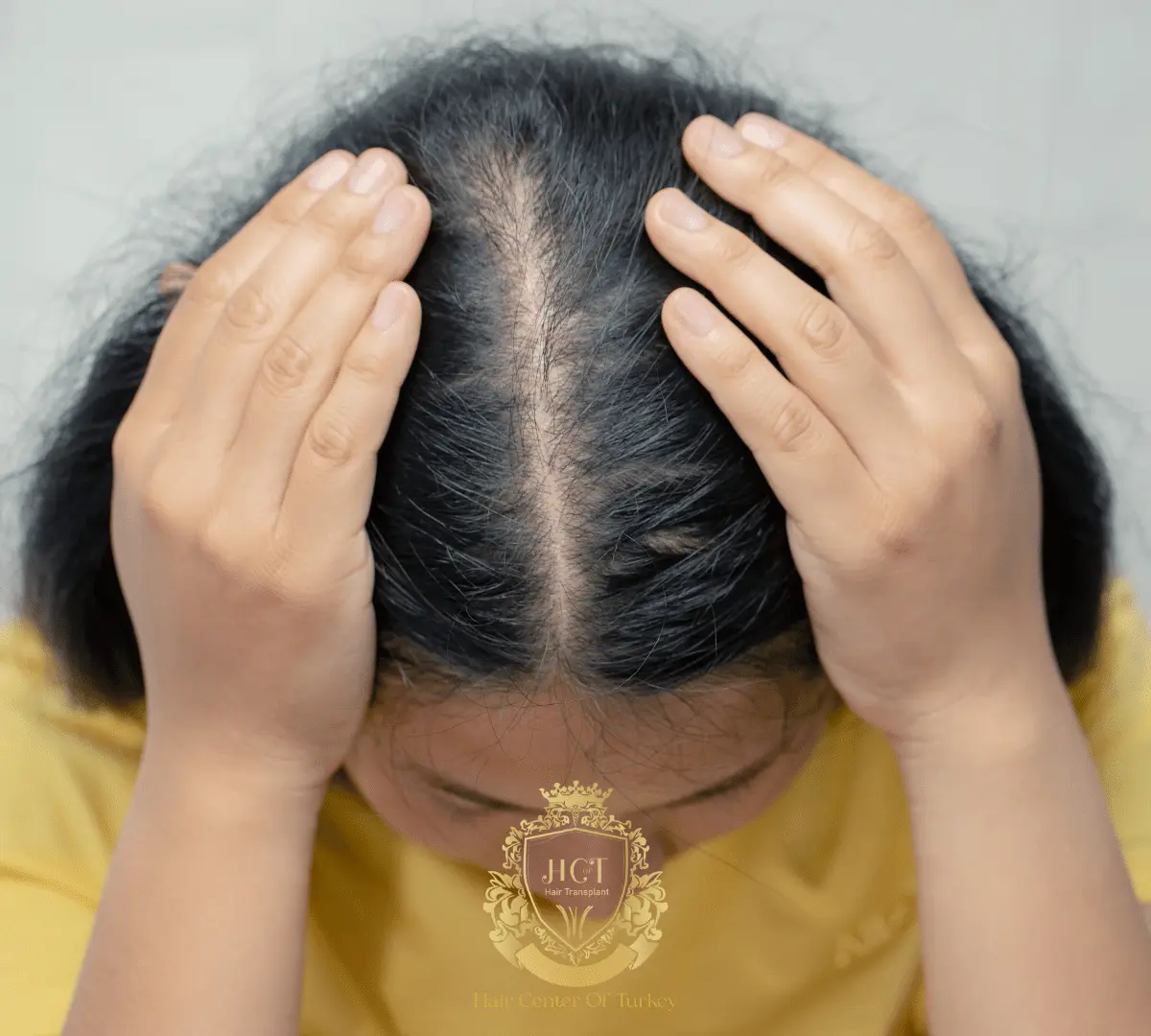
Table of Contents
Common Symptoms
Reactions often show up where the dye touches skin: the scalp, hairline, ears, eyelids, and neck. Some people also notice symptoms on the face or hands if the product is not rinsed off fully.
Typical signs include stinging or burning, an itchy rash, dryness or tightness, swelling, and small blisters. Symptoms may appear right away or develop over the next 1 to 3 days.
What Causes Hair Dye Allergy
Many permanent and some semi‑permanent dyes contain PPD (p‑phenylenediamine), a strong skin sensitizer. Once the immune system is sensitized, later exposures are more likely to trigger a reaction.
Fragrances, preservatives, and other dye ingredients can also irritate the skin. Irritation and allergy can look similar, but allergy usually becomes worse with repeat exposure.
Who Is More Likely To React
You may be at higher risk if you have eczema, a history of contact dermatitis, or previous reactions to hair dye. People who have had a “black henna” tattoo can also be more likely to react, because some black henna pastes contain high levels of PPD.
Which Hair Dyes Are Most Likely To Cause Problems
Permanent Dyes
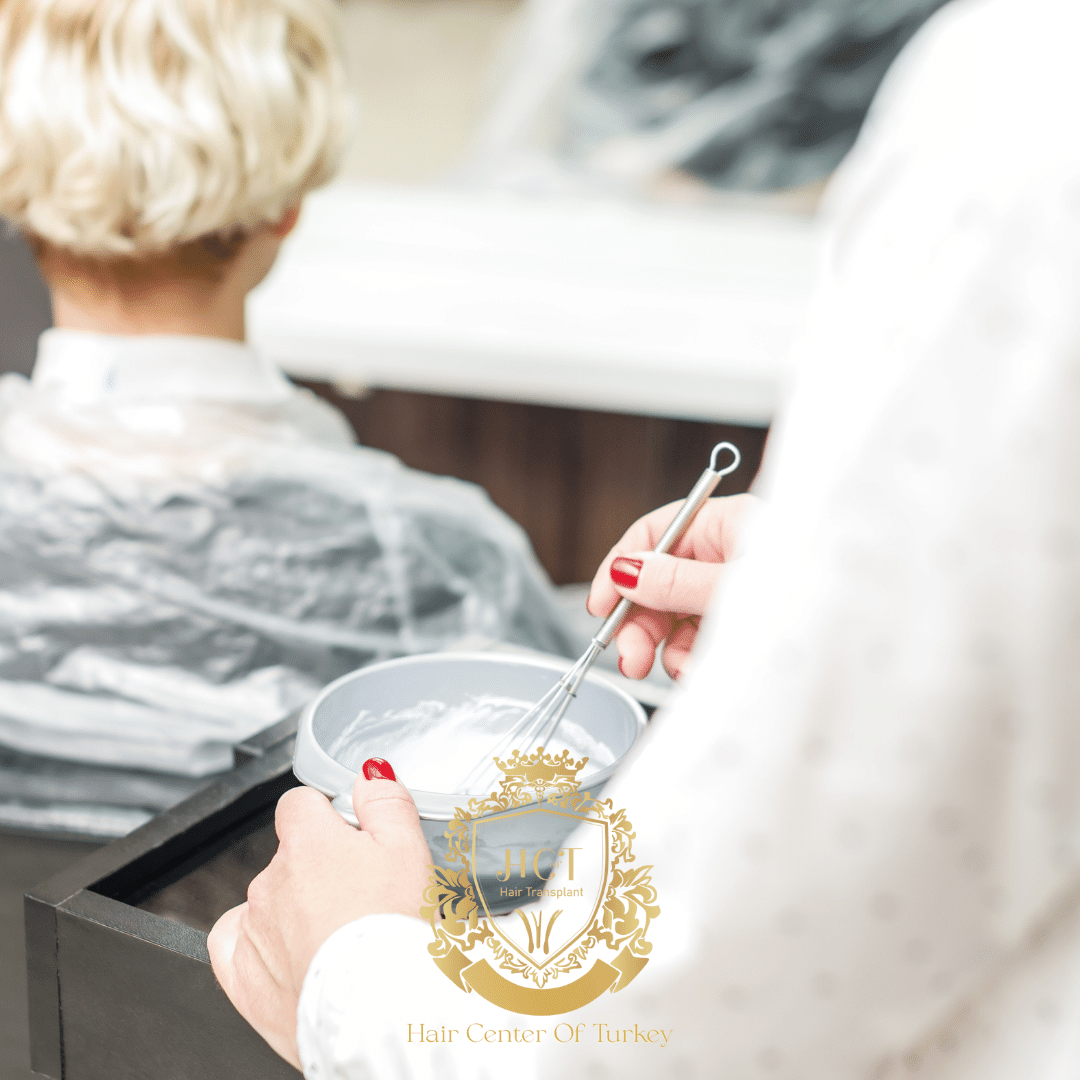
Permanent (oxidative) dyes are the most common cause of allergic reactions because they often rely on PPD or related chemicals to create long‑lasting color. These products usually come in a two‑part system that is mixed before application.
Semi‑Permanent Dyes
Semi‑permanent dyes can be a useful alternative for some people, but they may still trigger reactions—especially if you are already sensitive to PPD. Always check the ingredient list and do a patch test.
Temporary Color
Temporary colors (sprays, rinses, chalks) sit on the surface of the hair and typically have a lower risk of allergy. They can still irritate sensitive skin, so patch testing is sensible if you have reacted before.
Henna And “Black Henna”
Pure plant henna may be tolerated by some people, but it can still cause irritation in sensitive skin. Avoid “black henna,” which may contain added chemicals such as PPD and carries a higher risk of allergy.
How To Reduce Your Risk Before Dyeing
Do a patch test every time, even if you have used the product before. Many reactions happen after repeat exposure. Follow the manufacturer’s instructions and allow at least 48 hours to watch for redness, itching, or swelling.
Use gloves, avoid getting dye on the face and ears, and do not dye eyebrows or eyelashes. Do not leave the product on longer than the directions say, then rinse the scalp thoroughly.,
What To Do If You Have A Reaction
Rinse the dye off right away with plenty of water and a mild shampoo. For mild symptoms, an emollient (moisturizer), an oral antihistamine, or a short course of topical steroid may help—ask a pharmacist or clinician what is appropriate for you.
Get urgent medical help if you have trouble breathing, swelling of the lips or tongue, widespread hives, or feel faint. Severe reactions are uncommon, but they can be serious.
Does Frequent Coloring Damage The Hair
Even when there is no allergy, frequent coloring can weaken hair over time. Repeated processing may leave hair drier, duller, and more prone to breakage, especially with permanent dyes that use peroxide or ammonia.
Spacing out treatments, minimizing processing time, and using conditioning products can help reduce damage. If your scalp is irritated, give it time to recover before coloring again.
FAQ (Frequently Asked Questions)
What hair dye can I use if I’m allergic?
PPD-free, allergist-approved dyes; always patch-test and consult a dermatologist.
How can I cover my grey hair if I am allergic to hair dye?
Temporary color sprays, hair mascaras, or foil highlights can cover greys; patch-test first.
How long will a hair dye allergy last?
1–3 weeks; symptoms often resolve after avoiding dye and treating dermatitis.
Can hair dye give you a headache?
Yes; hair-dye fumes and fragrances can trigger headaches, especially in sensitive individuals.
What is the alternative to hair dye for allergies?
Temporary rinses, pure henna/indigo, grey-blending highlights, or wigs; patch-test first.
Explore the complete guide: Scalp Conditions and Hair Health