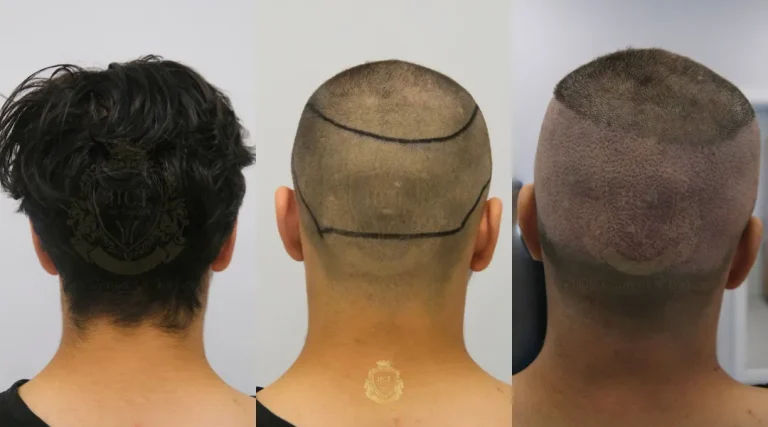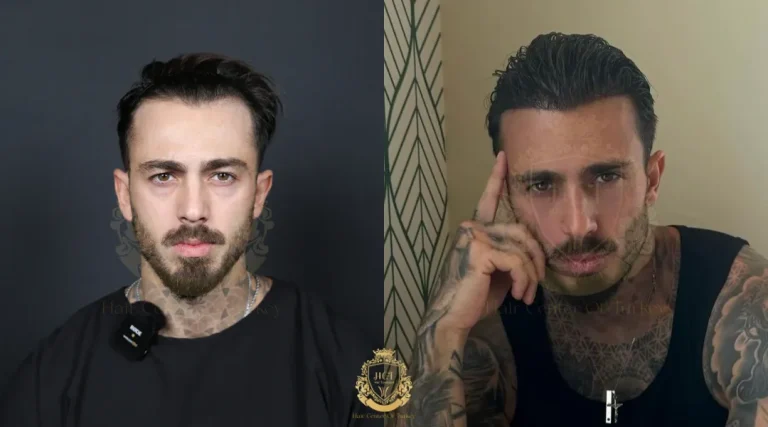
Most people don’t think twice before reaching for a styling product. After a hair transplant though, that simple habit suddenly feels like a risk. And it’s a fair concern — newly transplanted grafts go through a delicate phase, and the wrong product at the wrong moment can interfere with healing or even disturb a graft that hasn’t fully settled. But that doesn’t mean hair spray is off the table forever.
Table of Contents
Why the Question Keeps Coming Up
Hair spray contains alcohol, polymers, and propellants. None of those sound friendly to a healing scalp. So patients ask. They also hear conflicting advice during the recovery weeks — some sources suggest avoiding spray for a month, others say three, and a few claim it’s fine after two weeks. The honest answer depends on which spray, which transplant technique was used, and how the scalp is reacting day by day. Generic timelines tend to miss those details, which is why a one-size answer rarely fits.
The First Few Weeks After a Hair Transplant
The first 10 to 14 days are the most sensitive window in the entire process. Grafts are still anchoring into the scalp, and the small scabs covering each follicle protect tissue that hasn’t fully knitted yet. Treat this period as a no-product zone:
- avoid any spray, gel, mousse, or wax
- skip alcohol-based products entirely
- don’t comb or touch the recipient area until your clinic clears it
- use only the shampoo and lotion supplied in your aftercare kit
In well-organized clinics such as Hair Center of Turkey, patients usually leave with a written aftercare schedule that spells out what’s allowed at each stage. That clarity prevents the kind of guessing that leads to mistakes during weeks two and three.
When Hair Spray Becomes Safe Again
For most patients, light styling products can return after the fourth or fifth week, once the scabs have shed and the scalp looks calm. But safe is relative. Even at week six, a strong-hold spray with high alcohol content is rougher on the scalp than a flexible-hold formula. Many surgeons recommend waiting a full three months before using anything aggressive — freeze sprays, sticky pomades, or industrial-hold products built for long-day salon styling.
If the scalp still looks pink, flaky, or irritated, that’s a sign to wait. Don’t push it.
Ingredients That Tend to Cause Problems
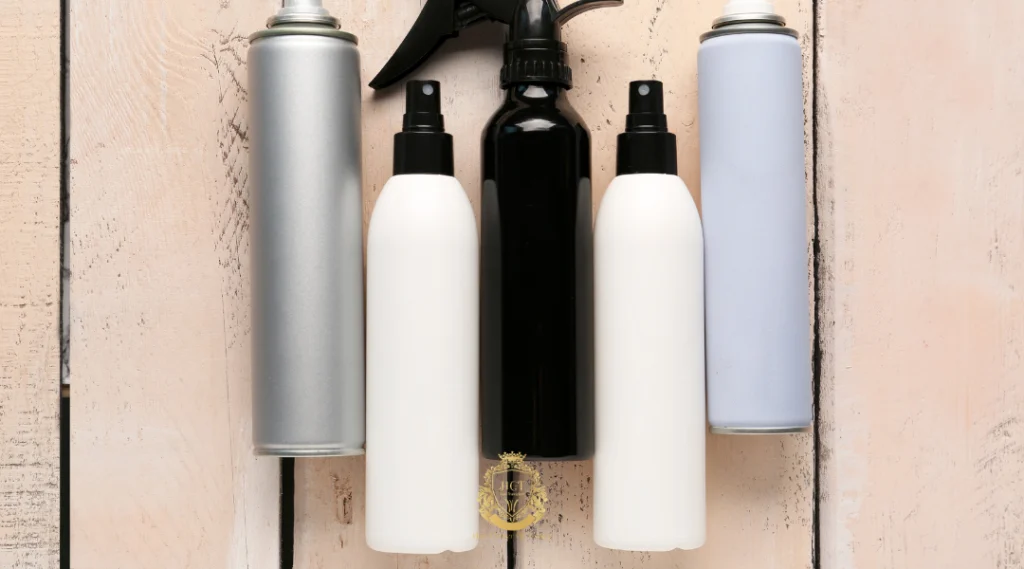
Not all sprays are equal. The ones most likely to bother a transplanted area share a few traits:
- high alcohol content, especially denatured alcohol near the top of the ingredient list
- strong fragrances or essential oils that can trigger scalp sensitivity
- heavy polymers that build up and need harsh washing to remove
- aerosol propellants that cool the scalp aggressively on contact
Looking for an alcohol-free, water-based, lightweight formula is usually a safer bet during the first few months. A lot of patients are surprised at how well a gentler product still holds through a normal day.
How Spray Affects Newly Grown Hair Long-Term
Once the new hairs grow in — generally somewhere between months four and ten — they behave like the rest of your hair. They cycle. They shed. They regrow. They aren’t more fragile than your native hair on a daily basis. So in practice, hair spray won’t damage the result the way many patients quietly fear.
What spray can do, over months and years, is dry out the hair shaft, dull its appearance, and create buildup at the root. None of that affects the graft itself, but it can affect how the result photographs and feels. A balanced routine matters more than avoiding spray altogether.
Choosing the Right Product Once You’re Healed

By the six-month mark, almost any styling product is fair game. Still, a few habits help protect your investment:
- choose flexible or medium hold instead of maximum hold for daily use
- hold the can at least 25 cm from the scalp when spraying
- wash thoroughly the same evening — don’t sleep on heavy buildup
- switch to a sulfate-free shampoo for regular cleansing
Habits That Protect Your Result
The biggest threats to a transplant rarely come from styling products. They come from rougher mistakes — aggressive scratching during the itch phases, direct sun on a freshly operated scalp, early swimming in chlorinated water, tight hats in the first weeks, or skipping the post-op wash routine because the scabs feel uncomfortable.
A spray bottle is a small variable in a much bigger picture. Patients who follow the structured aftercare flow their clinic provides usually see clean, natural results regardless of whether they reach for a styling product later on.
What Patients Often Get Wrong
There’s a tendency to over-correct after a transplant. Some people swing from use anything to use nothing for a year, which isn’t necessary. Others assume that if a product is labeled natural, it’s automatically safe — which isn’t always true. Natural sprays can contain essential oils that irritate healing skin more than a mild synthetic formula would.
A measured approach works best. Listen to the timeline your surgeon gives you. If something stings, stop. If the scalp looks calm and the aftercare window has closed, resume styling without worry.
Final Thoughts
Hair spray, used at the right time and in the right form, won’t undo a transplant. The early weeks call for restraint. The months after that simply call for sensible product choices. Clinics like Hair Center of Turkey tend to walk international patients through this in detail before they fly home, which leaves less room for guesswork once the styling questions start to come up. The long-term result depends far more on graft planning, donor area handling, and a calm recovery than on whether you reach for a styling product down the road.
FAQ
How long after a hair transplant can I use hair spray?
Most patients can use a light, alcohol-free spray after about four to six weeks. Stronger sprays should wait until the third month, and only once the scalp looks fully calm and the scabs have completely shed.
Does alcohol in hair spray affect grafts after they’ve healed?
Once grafts are fully anchored — usually after the first month — alcohol won’t dislodge them. But high-alcohol products can still dry out the hair shaft over time, so a gentler formula tends to keep results looking healthier.
Can hair spray cause shedding after a transplant?
Spray itself doesn’t trigger shedding. The shock loss many patients see in the first three months is part of the natural growth cycle of the transplanted follicles, not a reaction to styling products.
Should I switch to a specific type of hair spray after my transplant?
Look for water-based, alcohol-free, flexible-hold sprays during the first few months. They are gentler on the scalp and easier to wash out without aggressive scrubbing that can stress new hairs.
Is it worth getting a transplant in Turkey if I want to keep styling my hair?
Yes. Once healed, transplanted hair behaves like your native hair, so styling fits back into your routine. Clinics that plan the procedure carefully — like Hair Center of Turkey — design the hairline to look natural under styling, not just at rest.
Explore the complete guide: Recovery Process After Hair Transplant