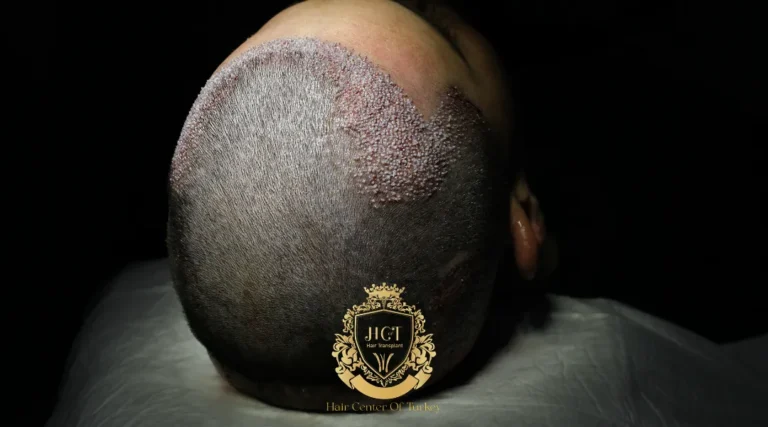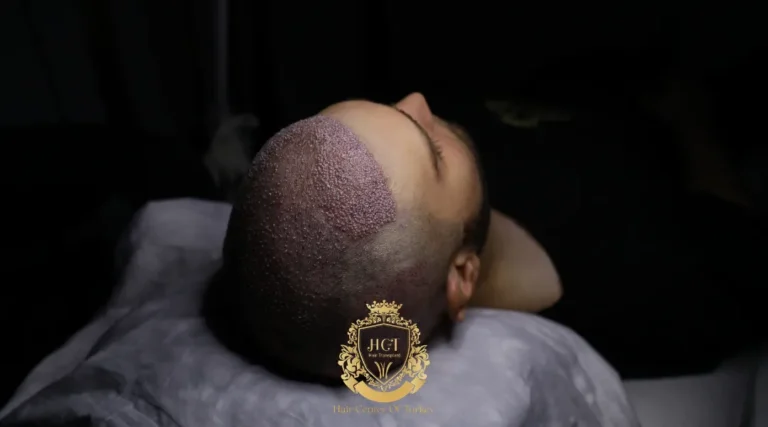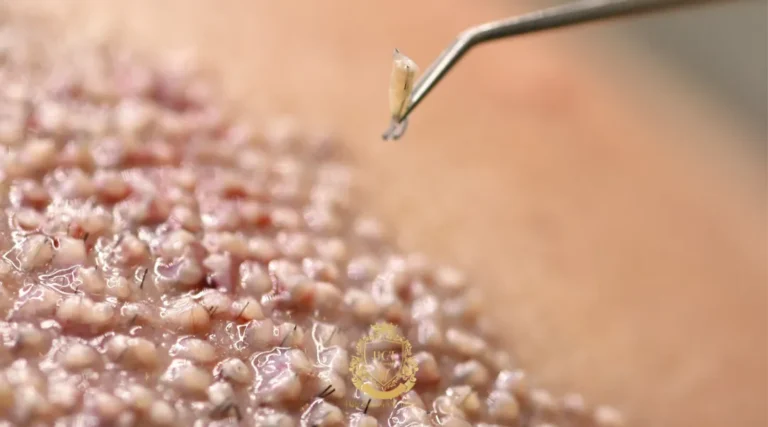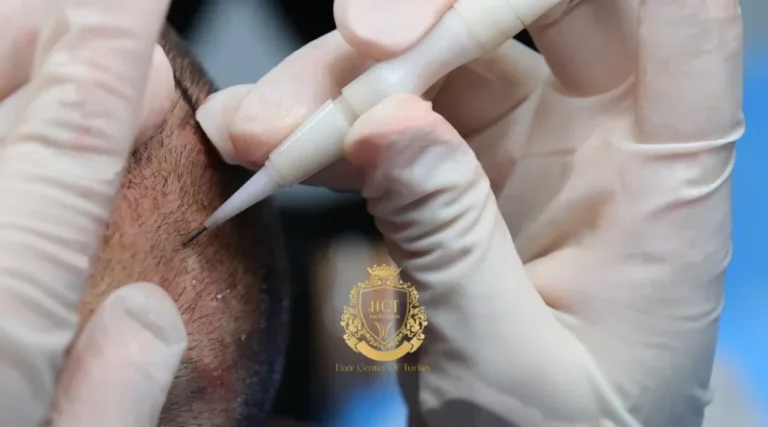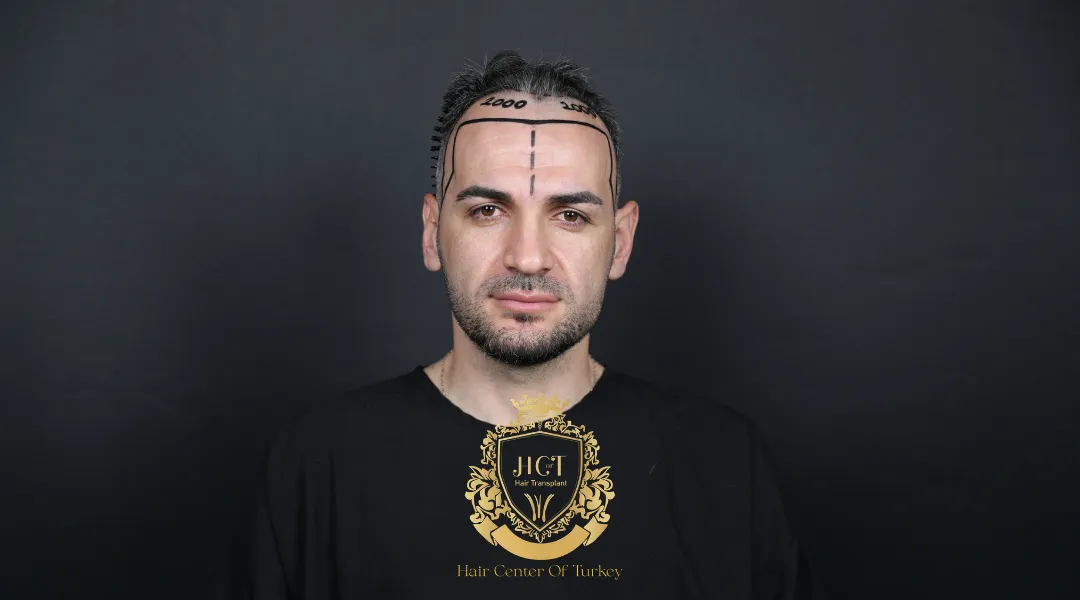
Around day three, most patients notice it. Tiny crusts forming around each implanted graft, sometimes itchy, sometimes a little tender. The mirror suddenly looks alarming. And the first instinct? To pick. Don’t.
Scabbing after a hair transplant is one of the most common things patients message their clinic about during the first ten days. It looks dramatic. It feels strange. But in most cases, it’s a completely expected part of how the scalp heals after thousands of micro-channels are opened during the procedure.
Why Scabs Form on the Scalp After Surgery
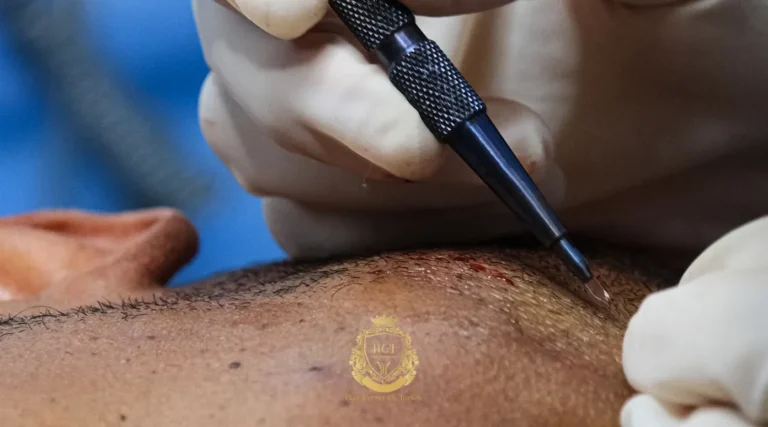
Every transplanted graft sits inside a tiny incision. As the body starts repairing the area, plasma, blood, and tissue fluid rise to the surface and dry. That’s the scab. It’s the scalp’s natural way of sealing the channel and protecting the follicle underneath while it settles in.
Table of Contents
Two zones tend to scab:
- The recipient area, where new grafts have been placed
- The donor area, especially after FUE or Sapphire FUE extractions
Donor crusts are usually thinner and disappear faster. Recipient crusts are slightly more stubborn because each one wraps around an actual graft.
When Scabs Usually Appear and Disappear
The timeline isn’t identical for everyone, but a fairly typical pattern looks like this:
- Days 1-3: redness, mild swelling, no real crusts yet
- Days 3-7: scabs form clearly across the recipient area
- Days 7-10: gentle washing softens them
- Days 10-15: most scabs fall off on their own
By the end of the second week, the scalp generally looks much calmer. Some people shed faster, some slower. Skin type, density of the session, and how carefully you follow the washing routine all play a role.
The Washing Routine That Quietly Does Most of the Work
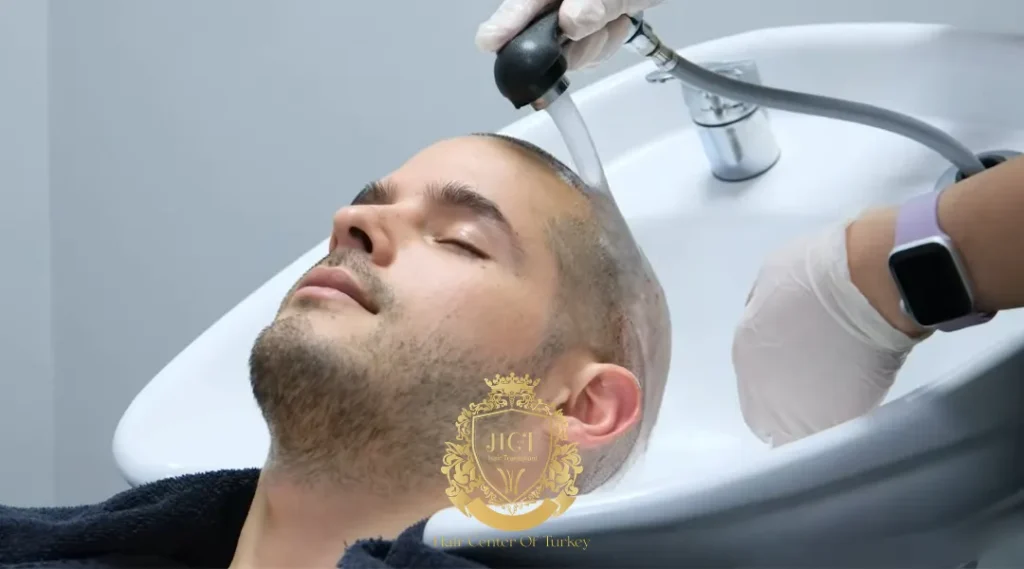
Here’s where things go right or wrong. The post-op wash isn’t a cosmetic step. It’s part of the medical recovery. Done correctly, it loosens crusts gradually without putting tension on the grafts. Done aggressively, it can dislodge follicles before they’ve anchored.
In well-structured clinics such as Hair Center of Turkey, the first wash is usually performed in-house, and patients leave with a written routine and a demonstration rather than a vague leaflet. That single session often prevents the most common mistakes — scrubbing too hard, using hot water, or skipping days because the scalp “looks fine.”
The general logic is simple. Soften, don’t scrub. Pat, don’t rub. Lukewarm water, gentle foam, light fingertip movements. Repeat daily. The crusts will lift on their own schedule.
What’s Considered Normal vs What Isn’t
Mild itching, light flaking, pinkish skin, small white dots where grafts sit — all normal. So is a slightly tight feeling across the scalp during the first week.
What isn’t normal:
- Yellow or green discharge from the crusts
- Spreading redness that gets worse instead of better after day 5
- Sharp, throbbing pain in a localized spot
- Fever combined with scalp tenderness
These signs may point to a minor infection and should be reported to your clinic right away. They’re rare when aftercare is followed properly, but worth knowing.
Why Picking Is the One Thing You Should Avoid
It’s tempting. Genuinely. The scabs feel like something that shouldn’t be there, and removing them seems like progress. But each crust is still attached to a graft underneath for the first several days. Pulling one off early can take the follicle with it. That graft is then lost — permanently.
After day 10, most crusts release on their own with washing. If a few stubborn ones remain after two weeks, the clinic can advise on a softening approach. Patience really is the strategy here.
The Itching Phase Nobody Warns You About Enough
Around day 7 to 14, the scalp often becomes noticeably itchy. This is the skin healing, not a problem. The urge to scratch can be intense, especially at night.
A few things tend to help:
- Continuing the gentle washes consistently
- Keeping the scalp lightly moisturized if your clinic recommends a specific lotion
- Avoiding hats that trap heat and sweat
- Sleeping in a cool room for the first two weeks
If itching feels extreme or comes with a rash, that’s worth flagging. Otherwise, it usually passes within a few days.
What the Scalp Looks Like Once the Scabs Are Gone
Here’s a part many patients don’t expect. Once the crusts come off, the transplanted hairs often shed within the next few weeks. This is called shock loss, and it’s a normal phase. The follicle stays alive under the skin and re-enters its growth cycle a few months later.
So the scalp going “back to normal” doesn’t mean the transplant didn’t work. It means the visible part of the journey is paused while the real growth happens beneath the surface. New hairs typically start showing around month three or four, with steady thickening through months six to twelve.
How a Structured Aftercare Process Changes the Outcome
Two patients with the same procedure can end up with different results purely because of how the first 15 days are handled. Aftercare isn’t a footnote. It’s part of the treatment itself.
Clinics that take international patients seriously tend to build this into the journey from the start — pre-op explanation, in-house first wash, written aftercare in the patient’s own language, and a direct line of communication once the patient flies home. At Hair Center of Turkey, this follow-up structure is one of the reasons recovery questions like scabbing rarely turn into bigger issues. Patients know what to expect, and they know who to ask.
That clarity matters more than people realize before they go through it.
Final Thoughts
Scabs after a hair transplant aren’t a problem to fix. They’re a sign the scalp is doing exactly what it’s supposed to. The work, on the patient’s side, is mostly about resisting the urge to interfere — washing gently, leaving the crusts alone, and trusting the timeline.
Choosing a clinic that walks you through the recovery as carefully as the procedure itself makes a real difference. The technical part of a transplant lasts one day. The healing process shapes the result for the next year. Going into it with clear instructions, realistic expectations, and a team that picks up the phone when something feels off is what turns a good procedure into a result that actually lasts.
FAQ
How long does scabbing last after a hair transplant?
Most scabs form between days 3 and 7 and fall off on their own between days 10 and 15 with gentle daily washing. A few stubborn crusts can linger slightly longer, but by the end of the second week the scalp usually looks much calmer.
Is it safe to remove scabs after a hair transplant?
No. During the first 10 days, each scab is still attached to a graft underneath. Pulling one off can dislodge the follicle and cause permanent loss in that spot. Let them release naturally through washing.
What does normal healing look like compared to infection?
Mild redness, light itching, and small crusts are normal. Yellow or green discharge, spreading redness after day 5, sharp localized pain, or fever are not. Those signs should be reported to your clinic right away.
Should I choose a clinic abroad if I’m worried about aftercare?
A well-organized clinic handles aftercare as carefully as the surgery itself. Look for clear written instructions, an in-house first wash before you fly home, and direct follow-up communication. Hair Center of Turkey, for example, builds this into the patient journey for international cases.
When do transplanted hairs start growing after the scabs fall off?
After the crusts clear, most of the transplanted hairs shed within a few weeks. This is normal. New growth usually appears around month three or four, with steady thickening through months six to twelve.
Explore the complete guide: Recovery Process After Hair Transplant