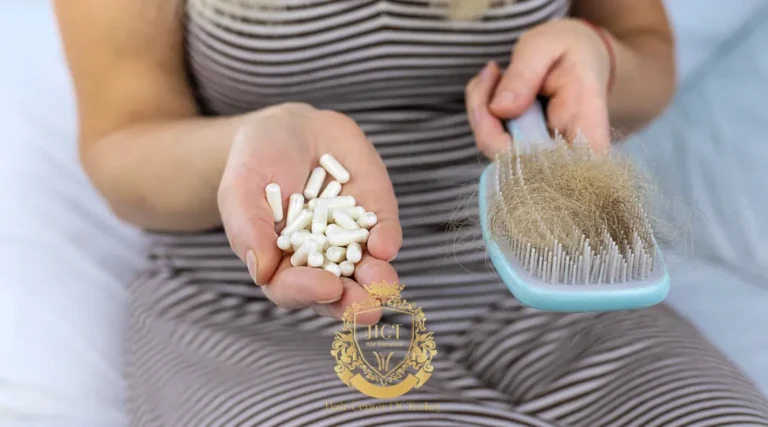


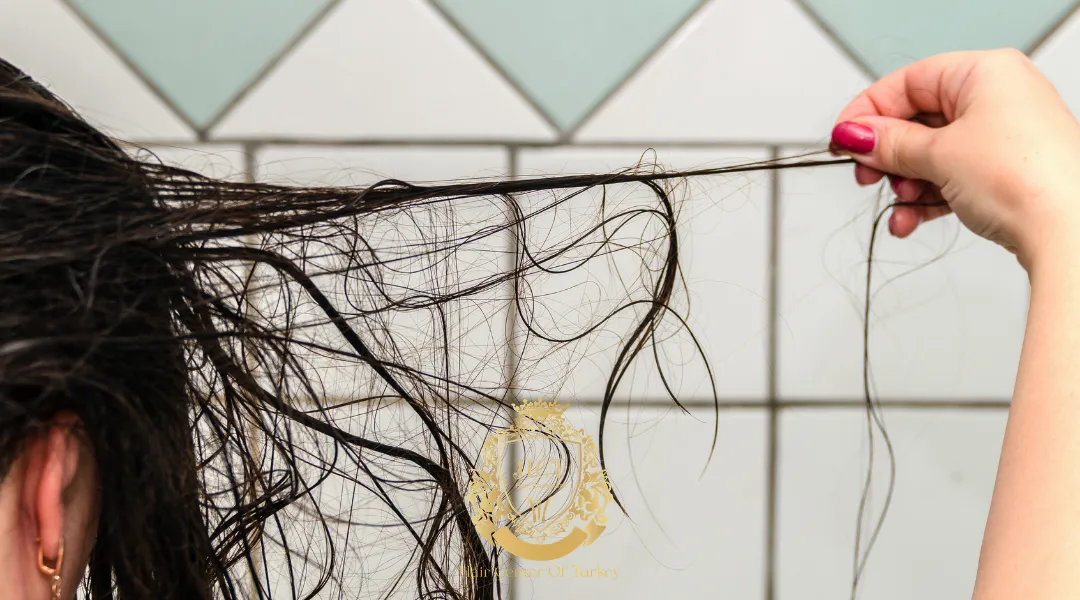
You step out of the shower, glance down, and there it is. A small cluster of strands wrapped around your fingers or clinging to the drain. For a second, you freeze. Is this normal? Should there be this much? Most people ask themselves this question at some point, and the honest answer is more layered than a single number.
Shower shedding is one of the most misread signals in daily hair care. Some of it is expected. Some of it is worth paying attention to. The trick is knowing the difference.
What Counts as Normal Daily Shedding
The scalp sheds hair. Every single day. That’s simply how the hair cycle works — strands move through growth, rest, and fall-out phases, and roughly 50 to 100 hairs leave your head in a 24-hour window. Sometimes more, sometimes less, depending on your cycle, stress level, diet, and even the weather.
Table of Contents
But here’s the catch. Not all of those strands fall in the shower. If you wash your hair every two or three days, the loose hairs that were waiting to leave tend to come out all at once under water and shampoo. So seeing 150 to 250 strands after a wash can still be perfectly normal — it’s simply the buildup of a few days’ shedding, released in one go.
Why the Shower Exaggerates Everything
Water, friction, and shampoo are a combination that pulls loose hairs out in a single session. Strands that were already detached at the follicle finally drop. That’s why shower shedding almost always looks more dramatic than the reality.
Wet hair also looks thicker when clumped. A ball of 80 wet strands can look alarmingly like 300. Before you panic, spread them out on a tissue. You may be surprised.

Signs That Shedding Has Crossed a Line
There’s a difference between shedding and losing. Shedding refills. Hair falls, new hair grows. Losing means the density is dropping and the regrowth isn’t keeping up. A few practical signals that something may be off:
- You’re finding large amounts of hair every single day, not just on wash days
- Your scalp is becoming more visible, especially at the crown or hairline
- Your ponytail feels noticeably thinner than it did six months ago
- Hairs are falling with visible white bulbs or unusually short lengths
- Shedding continues heavily for more than two to three months
One or two of these? Probably temporary. Several at once? Worth a closer look.
Seasonal Shifts and Temporary Triggers
Hair responds to life. A stressful few months, a restrictive diet, a medication change, post-illness recovery, pregnancy and postpartum shifts — all of these can push more hair into the shedding phase at once. This is called telogen effluvium, and it usually resolves on its own over three to six months.
Seasonal shedding is real too. Autumn, in particular, tends to bring heavier fallout for many people. Annoying? Yes. Permanent? Usually not.
When Thinning Isn’t Just Shedding
Pattern hair loss works differently. It’s not about how many strands leave the scalp — it’s about what grows back. Androgenetic alopecia causes hair follicles to miniaturize over time, producing thinner, shorter, and eventually invisible hairs. The shower might not look dramatic, but the mirror tells a quieter story over the years.
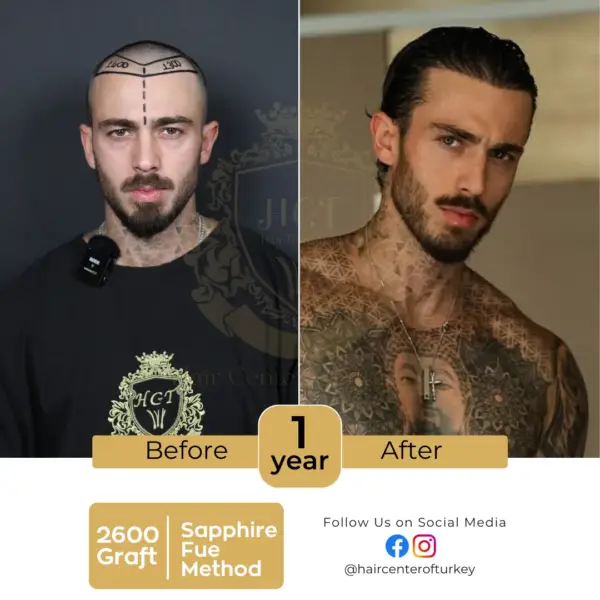
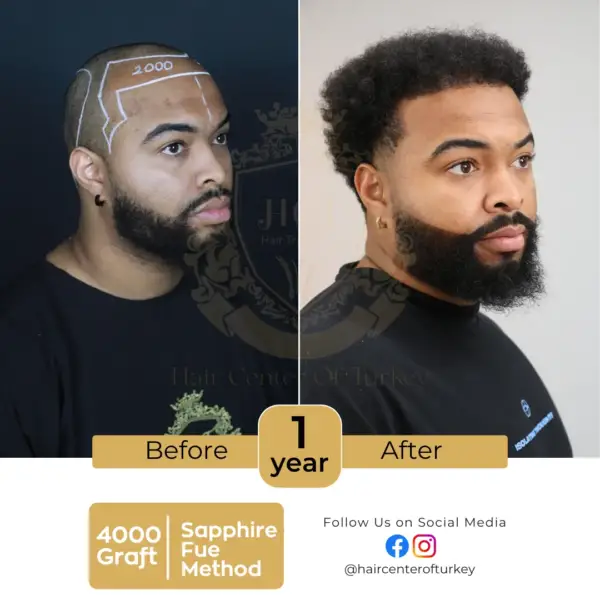
This is where professional evaluation matters. In well-structured clinics such as Hair Center of Turkey, the first step is rarely about procedures. It begins with a detailed scalp and donor area analysis to understand what’s actually happening at the follicle level before any treatment plan is proposed.
Simple Ways to Reduce Breakage in the Shower
A portion of what you see isn’t shedding at all. It’s breakage — strands snapping mid-length due to handling. These tips genuinely help:
- Detangle gently before you step in, not during the wash
- Avoid piling hair on top of your head while shampooing
- Use lukewarm water rather than hot
- Don’t wrap hair tightly in a towel; pat instead
- Condition the mid-lengths and ends, not the roots, to reduce buildup
Small adjustments, real difference.
How to Track Your Own Pattern
If you’re worried, stop counting strands one morning and start watching trends over weeks. Take a photo of your hairline and crown in the same lighting every two weeks. Keep a loose note of wash days versus non-wash days. A pattern will emerge faster than you’d think, and it’s far more useful than a single alarmed glance at the drain.
And if the trend is clearly downward? That’s the moment to consult, not to experiment with endless shampoos.

When to Consider Professional Assessment
Some people wait too long. Others rush into decisions after one bad shower. Neither serves them well. If shedding has lasted more than three months, if visible thinning is emerging, or if family history points toward pattern loss, a clinical evaluation brings clarity.
For international patients, this process doesn’t require booking a flight right away. Online consultations allow a specialist to review photos, ask the right questions, and offer honest feedback before anything else is discussed. Hair Center of Turkey often begins with this kind of remote review, so patients arrive in Istanbul with a plan already built around their specific donor area, hairline goals, and the most suitable technique — rather than a generic package.
Final Thoughts
The shower will always be the most honest mirror for your scalp. Some days it looks worse than it is. Other days it’s telling you something real. Learning to read the difference — without panic and without denial — is the first step toward handling it well.
If the signs keep pointing in the same direction, a structured evaluation is worth far more than another guess. Clinics that take the time to analyze before recommending, plan before operating, and communicate clearly before arrival tend to give patients the one thing that matters most in this journey: a realistic path forward.
FAQ
How many hairs in the shower is too many?
Up to 200-250 strands per wash can still be within normal range if you wash every few days. Consistent fallout above that, combined with visible thinning, is worth evaluating.
Why does my hair fall out more on wash days?
Loose strands from previous days release together under water, shampoo, and friction. So wash-day shedding looks heavier, but it's usually the sum of several days rather than sudden new loss.
Is shower hair loss a sign of baldness?
Not always. Telogen effluvium and seasonal shedding are temporary. Pattern baldness shows up differently — through gradual thinning, hairline recession, or visible scalp, rather than dramatic shower fallout.
Should I wash my hair less to stop shedding?
No. Washing less doesn't reduce actual shedding, it just delays it. The same strands will come out later. Focus on gentle handling rather than skipping washes.
When should I consult a hair clinic about shedding?
Consider a consultation if heavy shedding lasts beyond three months, if thinning becomes visible at the crown or hairline, or if you have a family history of pattern hair loss.
Explore the complete guide: Hair Loss Types and Causes