













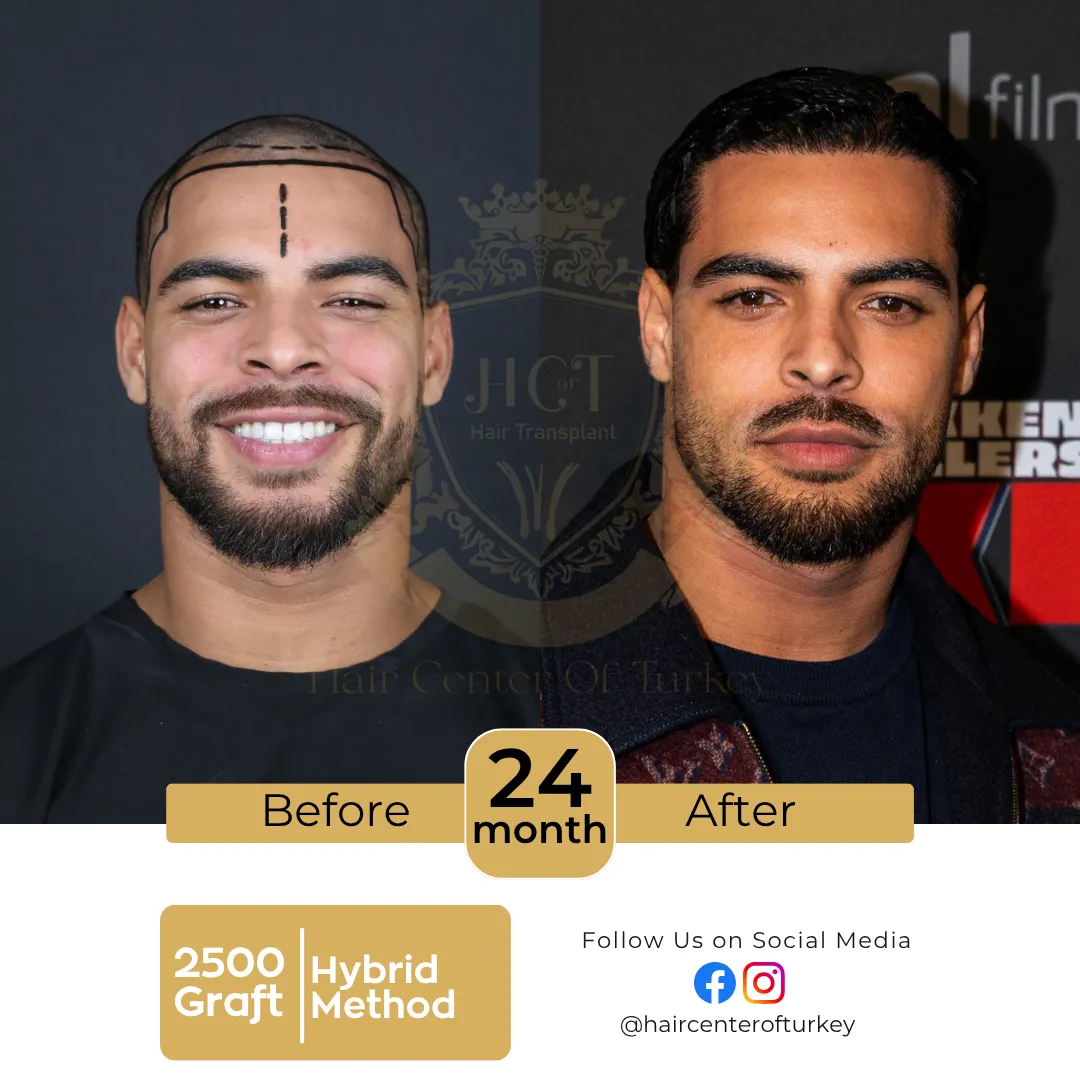
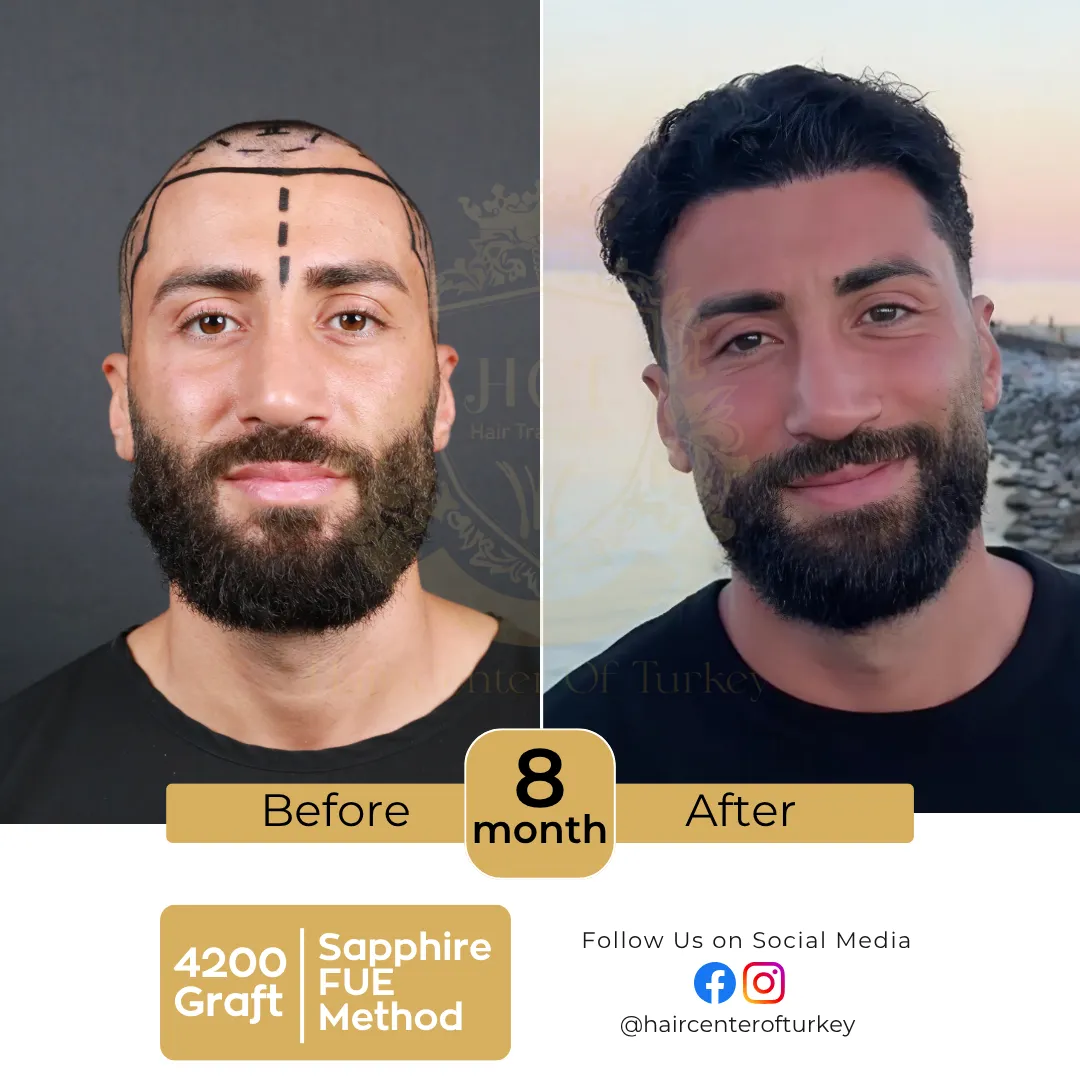
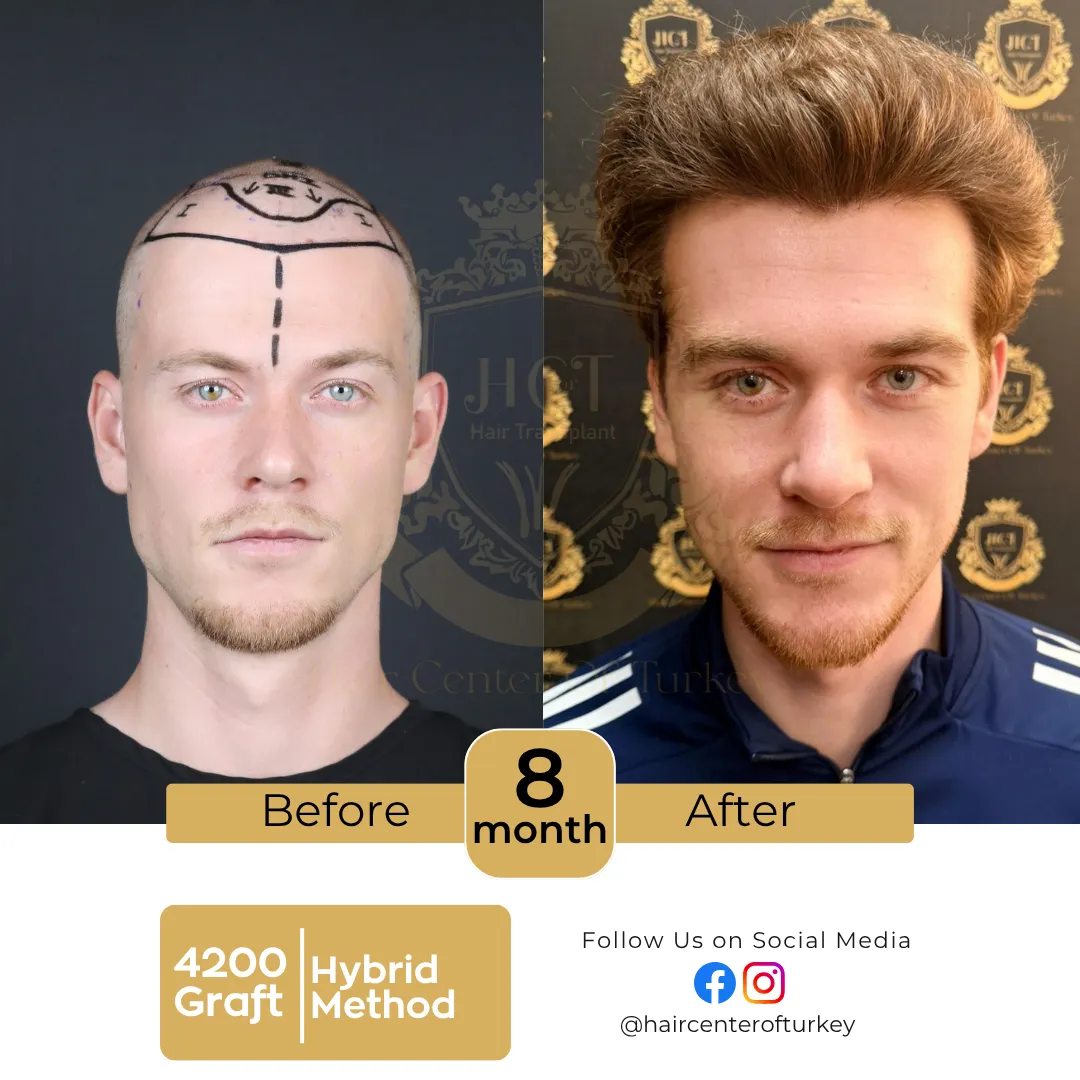






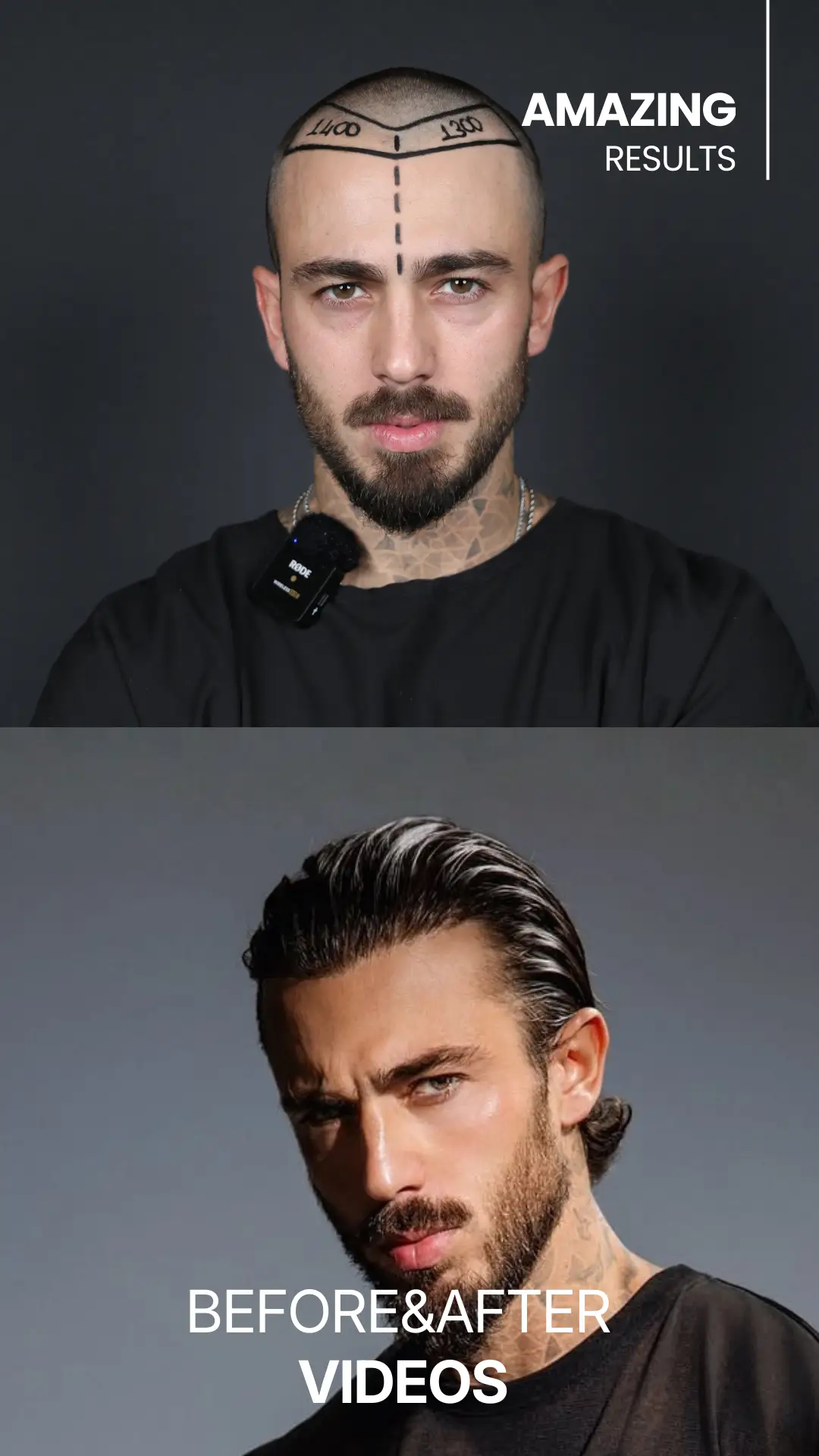

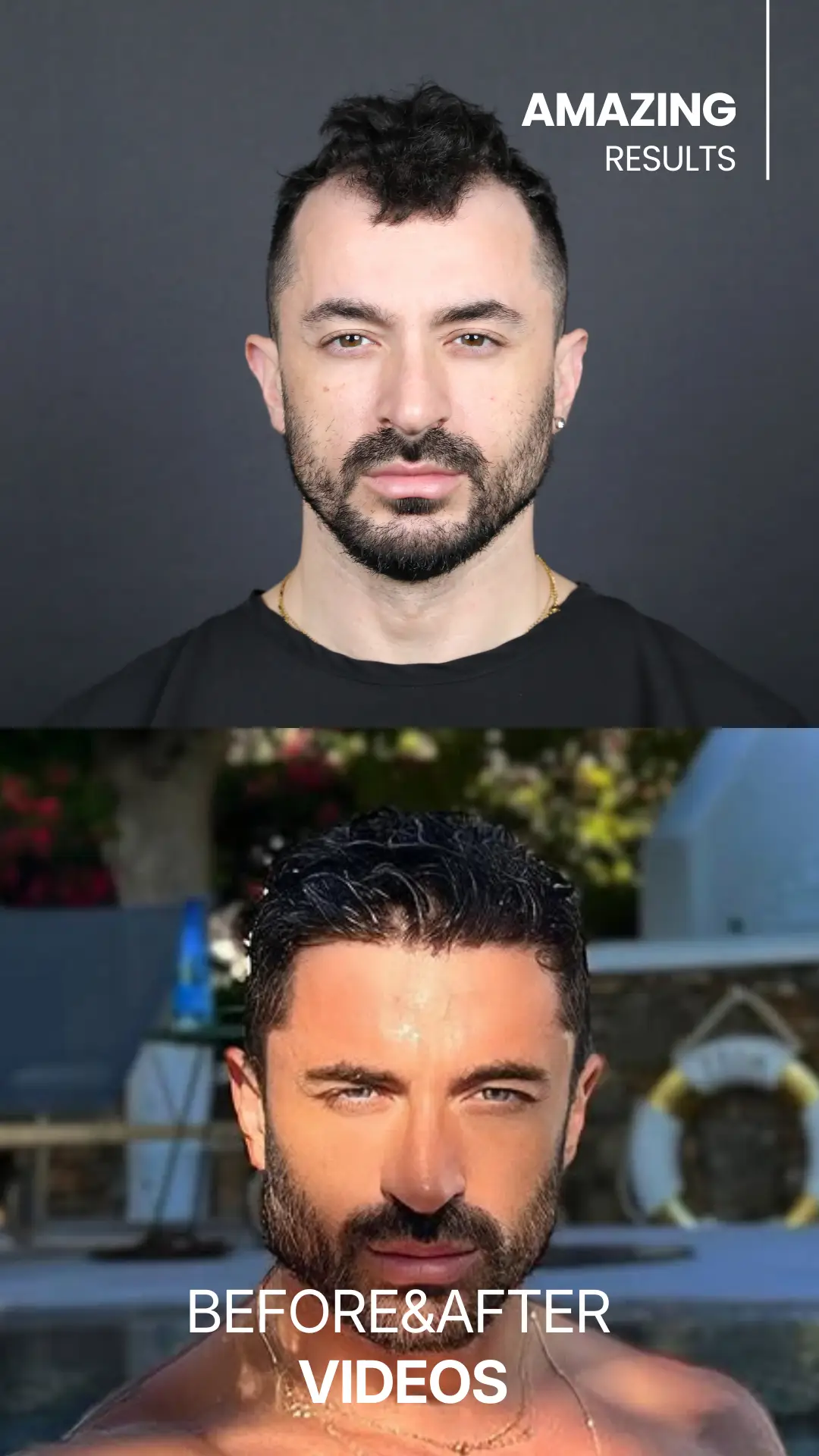
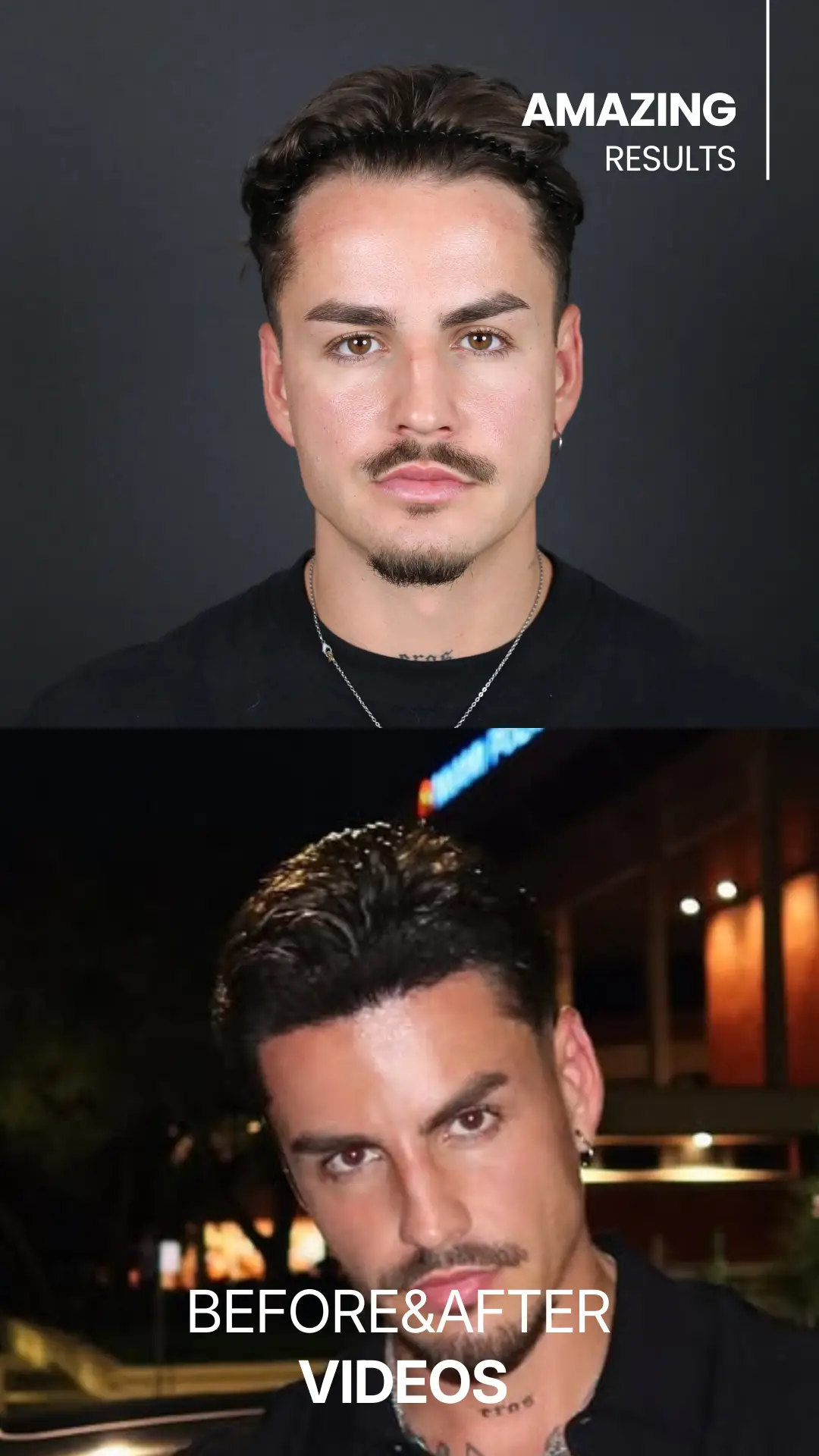
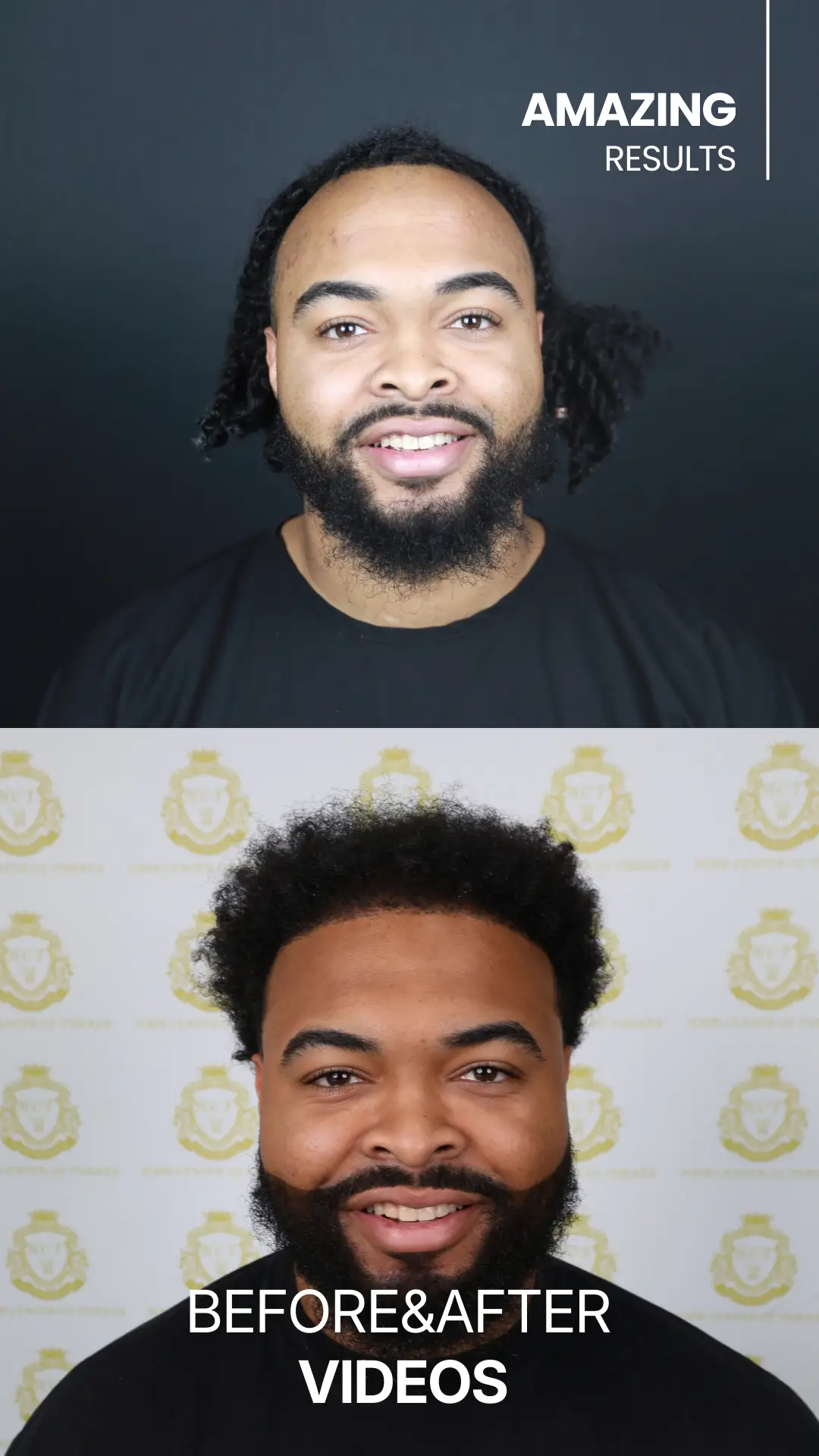
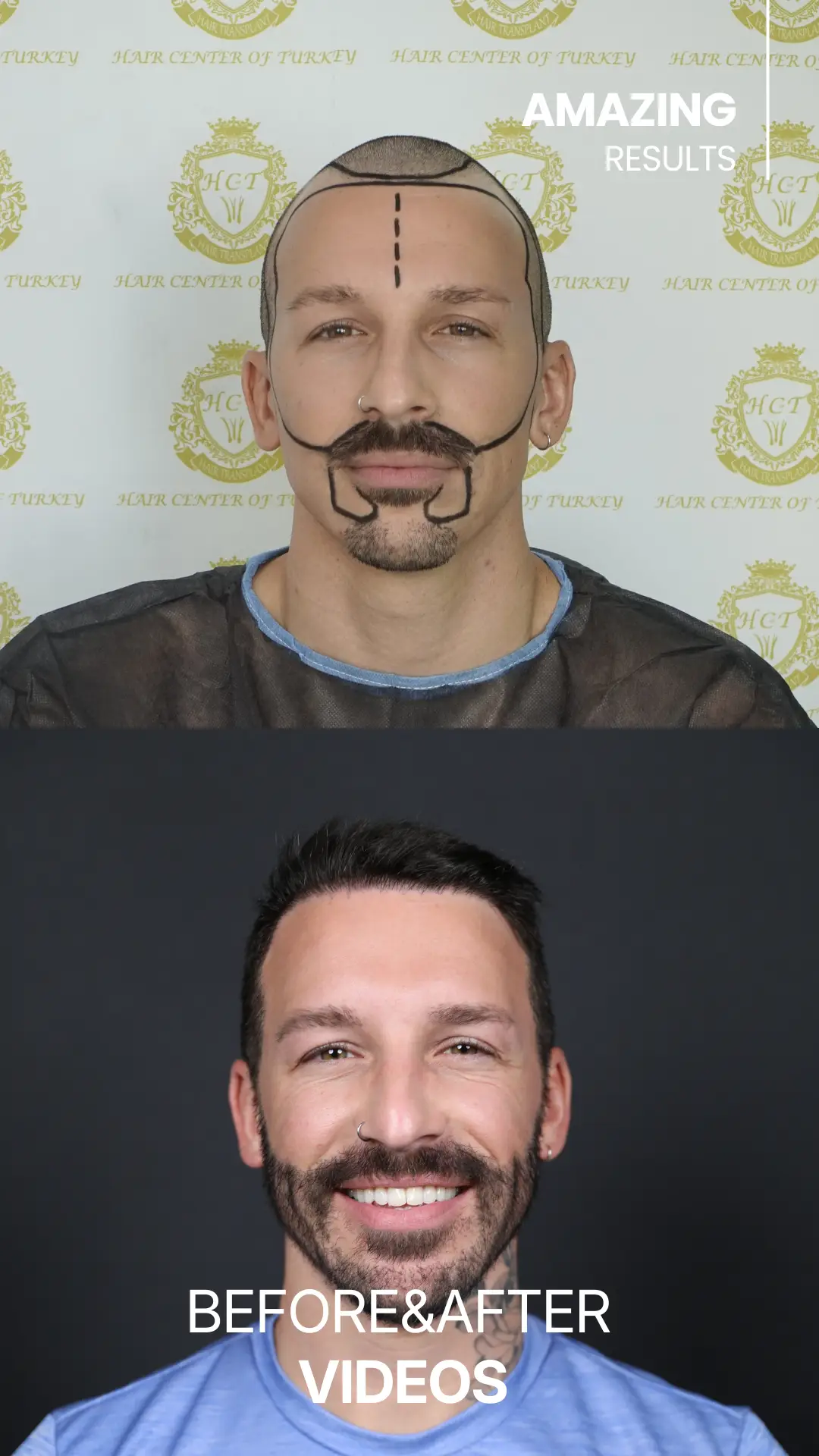



Hair Transplant Turkey
A hair transplant in Turkey offers a blend of advanced medical techniques, experienced surgeons, and significant cost savings for patients worldwide. This guide provides a detailed look into the procedures, costs, and essential factors for choosing a clinic.
Turkey has solidified its position as a global center for hair restoration, attracting tens of thousands of individuals each year. This reputation is built on a combination of high-quality clinical outcomes, the adoption of modern technologies like FUE and DHI, and comprehensive packages that simplify the medical travel experience. For patients, especially from the US, the primary drivers are the potential for savings of up to 70% compared to domestic prices without compromising on the standard of care. The country's infrastructure, including numerous internationally accredited hospitals and clinics, supports this growing sector.
Why Is Turkey a Leading Destination for Hair Transplants?
The surge in popularity for a Turkey hair transplant is not based on a single factor but a convergence of several key advantages. These elements work together to create an attractive and reliable option for those seeking permanent solutions to hair loss. The country has strategically invested in its medical tourism infrastructure, ensuring that international patients receive a high standard of service from consultation to post-operative care.
One of the most compelling reasons is the cost-effectiveness. A hair transplant procedure that might cost between $10,000 and $25,000 in the United States can often be performed in Turkey for a fraction of that price, typically ranging from $2,500 to $7,500. This price difference is not due to lower quality but is a result of the country's lower operational costs, favorable exchange rates, and a highly competitive market. Clinics often bundle services into all-inclusive packages, covering the procedure, accommodation, airport transfers, and interpreter services, which adds a layer of convenience and financial predictability for patients.
Beyond the financial benefits, the level of medical expertise is a critical draw. Turkish surgeons are among the most experienced in the world due to the sheer volume of procedures they perform. Many have specialized exclusively in hair restoration for over a decade, allowing them to refine their techniques and handle complex cases with precision. Clinics frequently hold international certifications, such as JCI (Joint Commission International) accreditation, which signifies adherence to rigorous global healthcare standards. This combination of high-volume experience and certified quality provides a strong assurance of safety and competence.
Understanding Hair Transplant Methods Available in Turkey
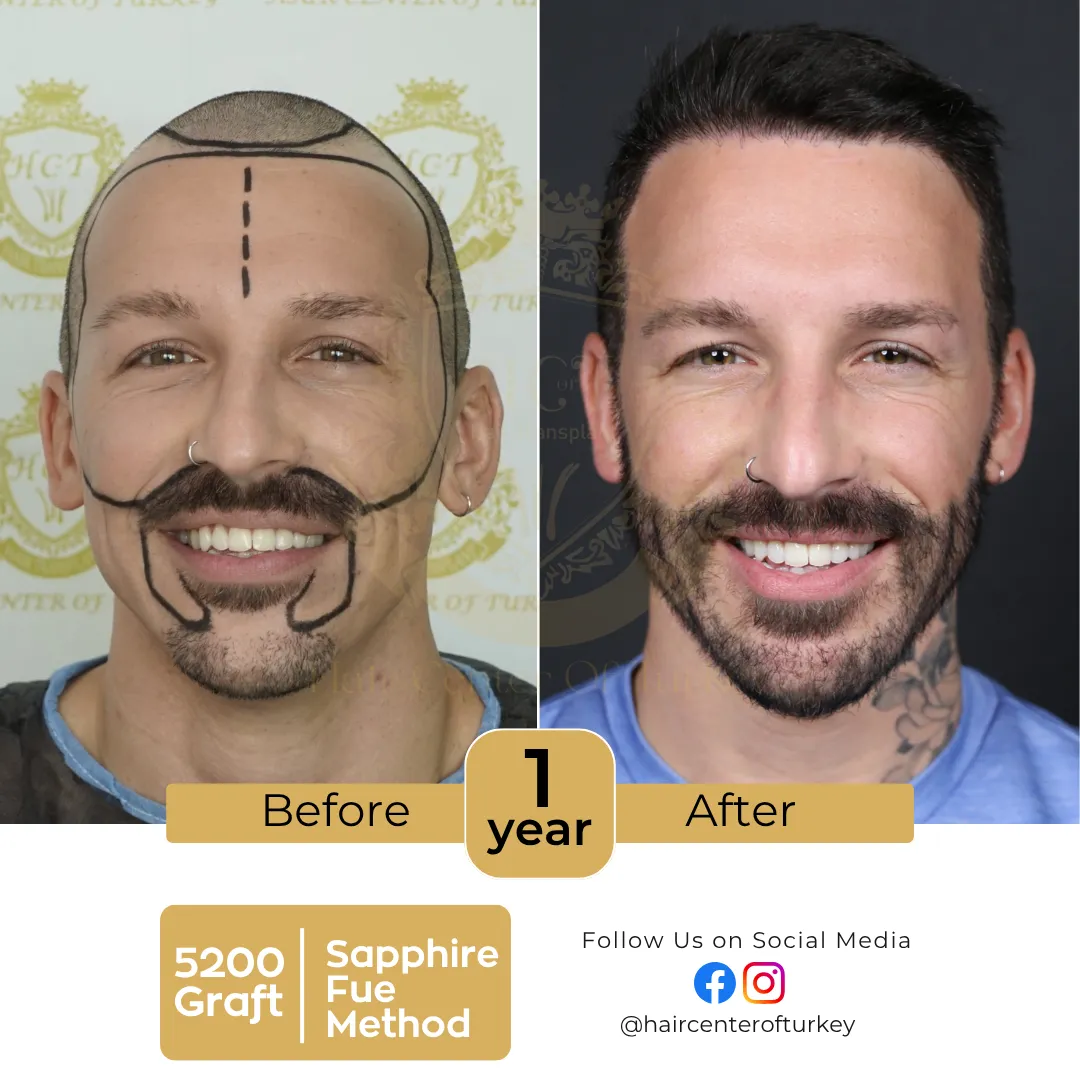
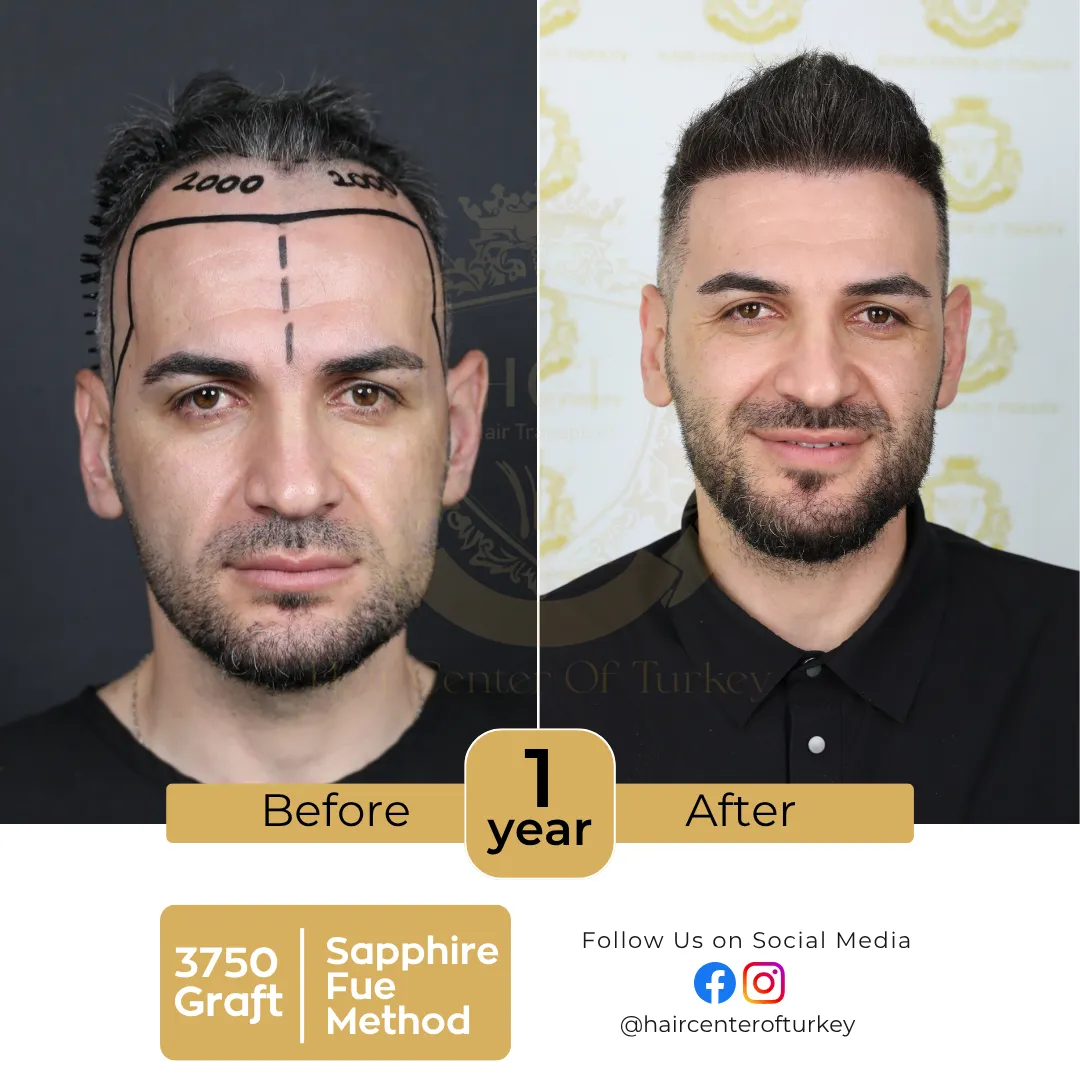
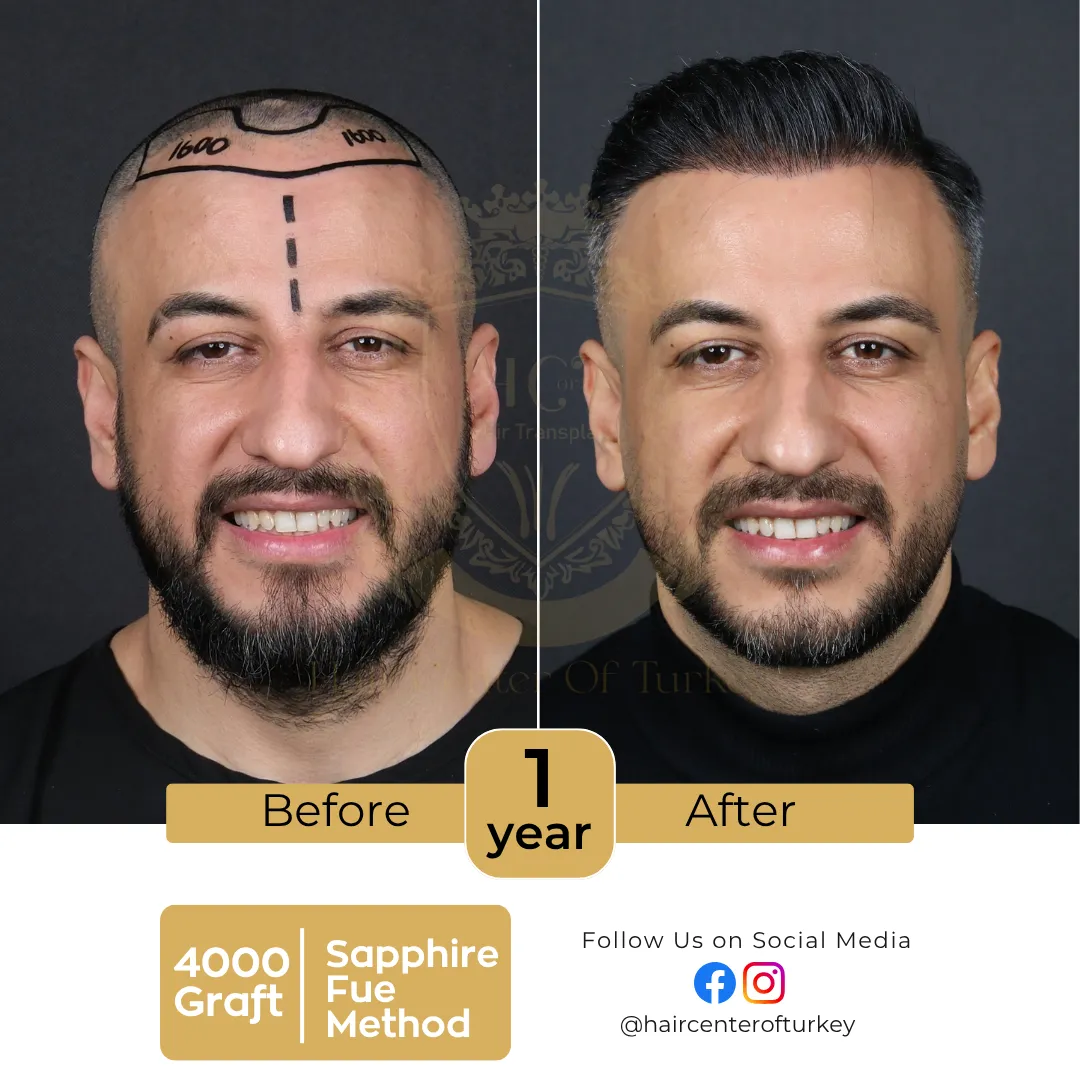
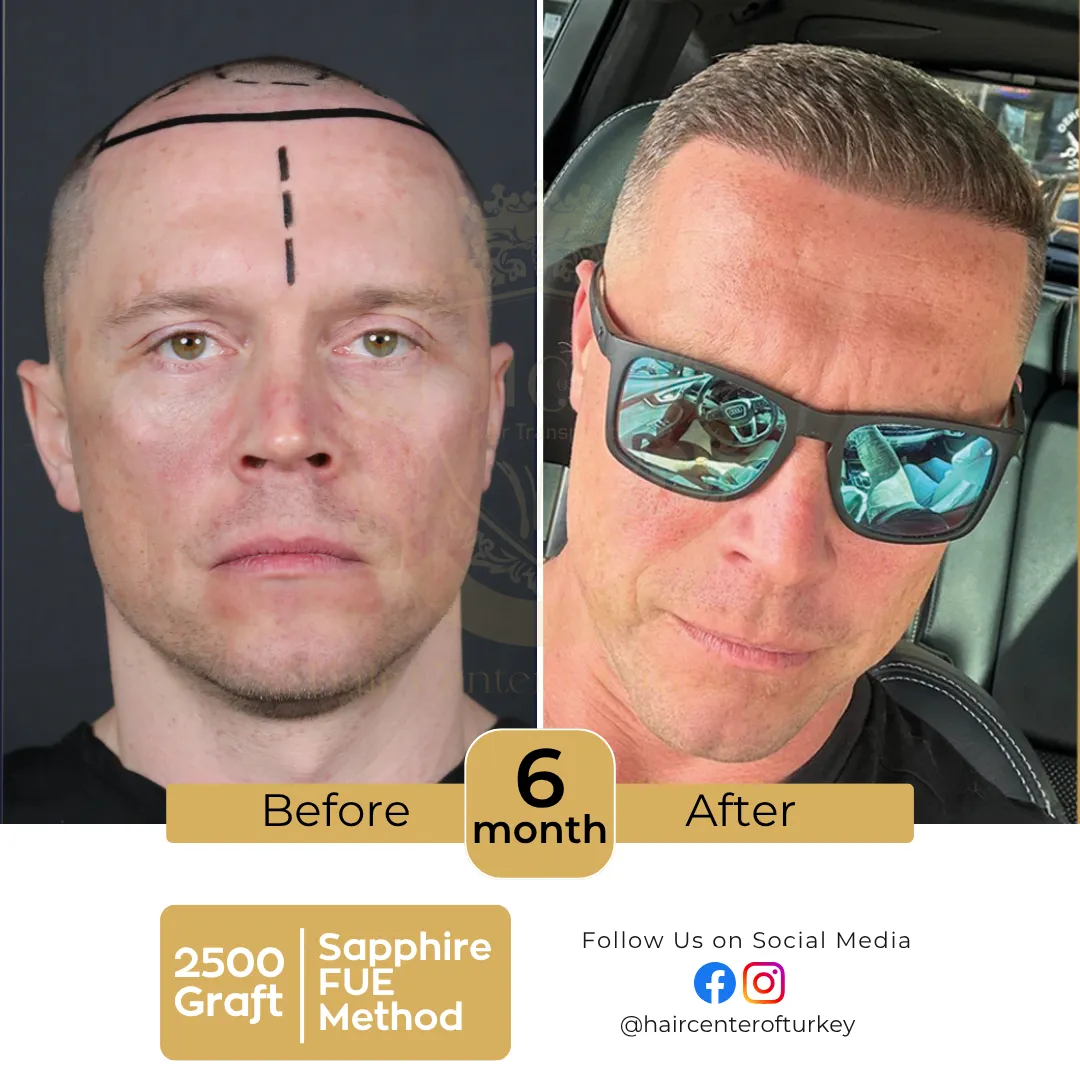
Clinics specializing in a hair transplant in Turkey primarily offer two advanced methods: Follicular Unit Extraction (FUE) and Direct Hair Implantation (DHI). While both aim to achieve natural-looking results, they differ in their graft harvesting and implantation techniques. A third popular variation, Sapphire FUE, enhances the standard FUE method with specialized tools. Understanding these differences is crucial for selecting the most suitable approach.
Follicular Unit Extraction (FUE) is the most widely practiced technique. During an FUE procedure, surgeons extract individual hair follicles, or grafts, directly from the donor area (usually the back of the scalp) using a micro-punch tool. These grafts are then preserved in a special solution before being meticulously implanted into micro-incisions made in the recipient area. FUE is known for its minimally invasive nature, leaving behind tiny, dot-like scars that are virtually undetectable once healed. The procedure allows for the transplantation of a large number of grafts, between 3,000 and 5,000, in a single session lasting 6 to 9 hours.
Direct Hair Implantation (DHI) is a more refined version of FUE. In the DHI method, extracted follicles are loaded into a specialized pen-like instrument called a Choi Implanter Pen. This tool allows the surgeon to implant each graft directly into the recipient area without needing to create pre-made incisions. The Choi Pen provides precise control over the angle, depth, and direction of each implanted hair, which can lead to higher graft survival rates and increased density. DHI is often preferred for smaller areas or for adding density among existing hairs. The procedure is typically longer and can be more expensive due to the specialized equipment and intensive labor involved.
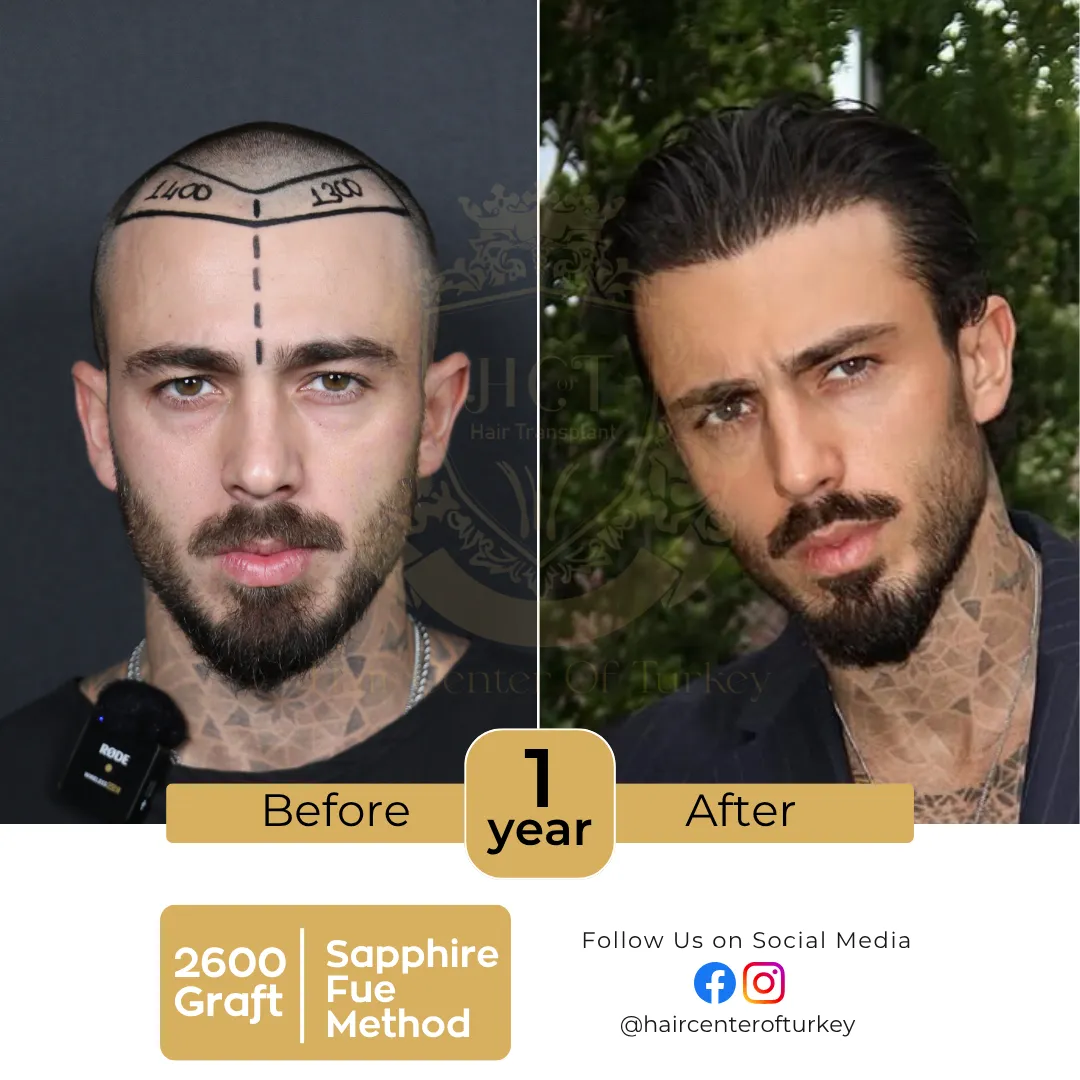
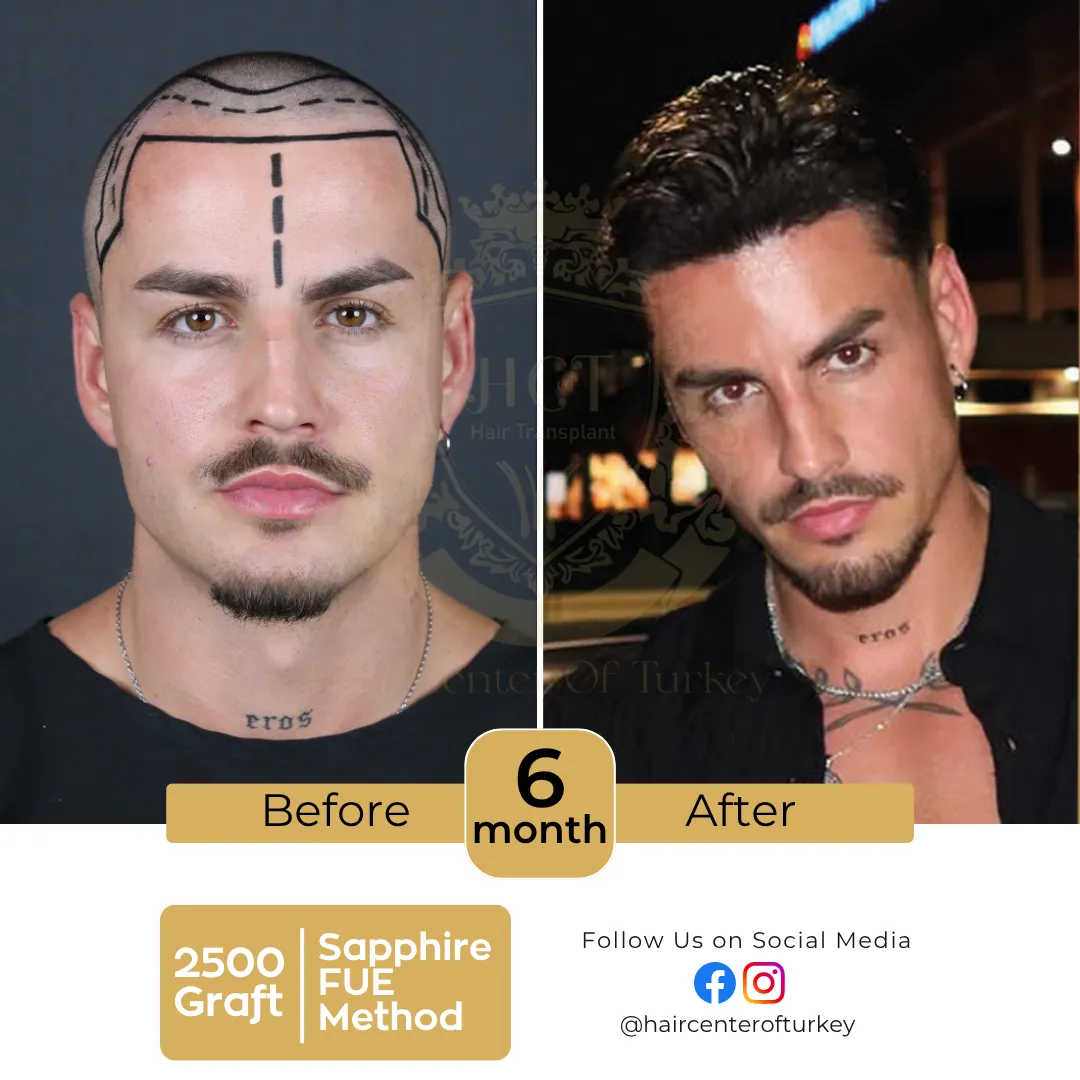
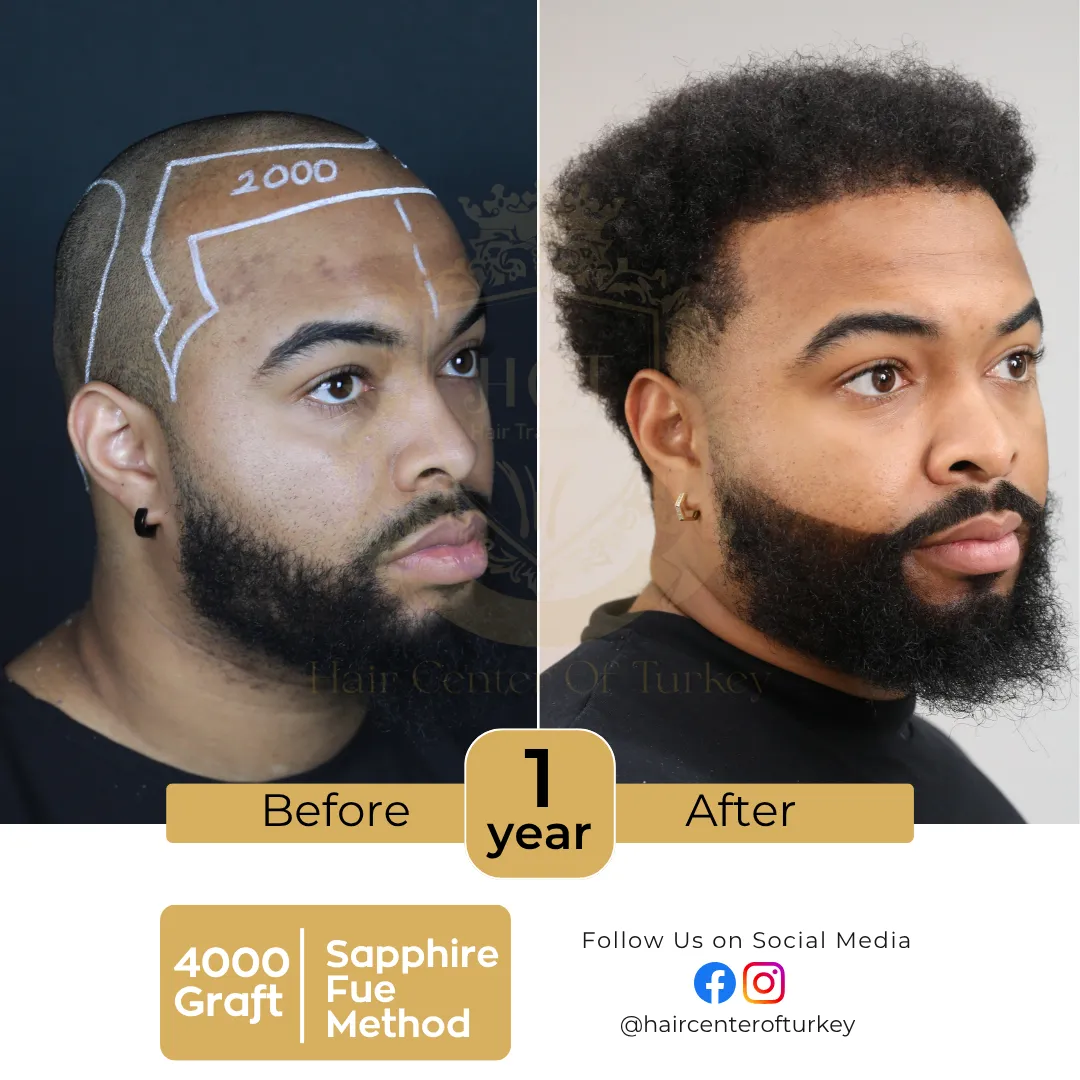
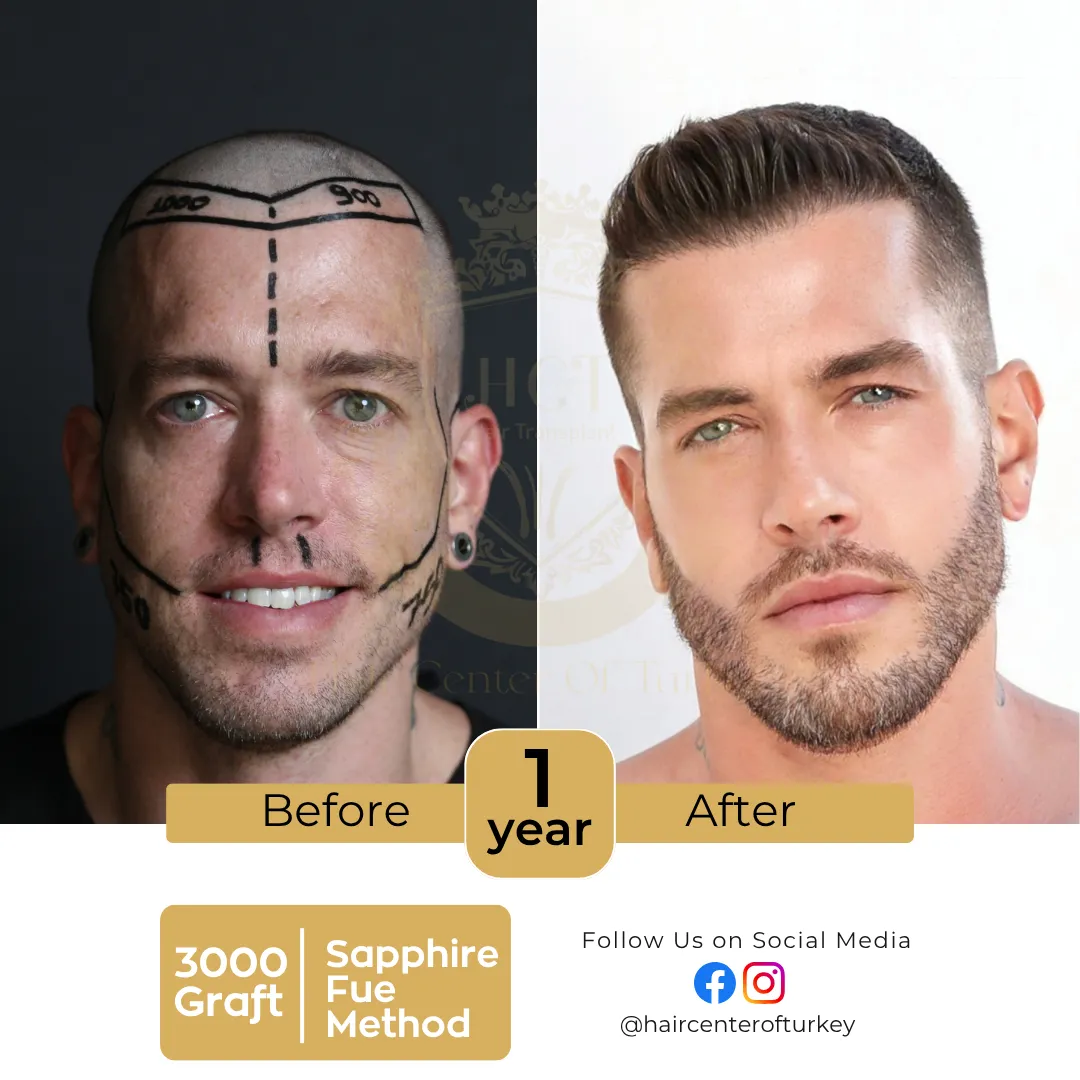
Sapphire FUE is not a fundamentally different method but an enhancement of the FUE technique. Instead of using traditional steel blades to create incisions in the recipient area, surgeons use blades made from synthetic sapphire. These blades are sharper, more durable, and can create finer, V-shaped micro-channels. This precision is believed to cause less tissue trauma, reduce bleeding, and promote faster healing compared to standard FUE.
Here is a comparison of the three primary methods:
Feature | Follicular Unit Extraction (FUE) | Direct Hair Implantation (DHI) | Sapphire FUE |
|---|---|---|---|
Implantation Tool | Forceps | Choi Implanter Pen | Forceps |
Incisions | Pre-made channels with steel blades | No pre-made channels | Pre-made channels with sapphire blades |
Graft Handling | Grafts are stored before implantation | Grafts are implanted immediately | Grafts are stored before implantation |
Best For | Large areas of baldness | Increasing density, smaller areas | Large areas requiring high precision |
Procedure Time | 6–9 hours | 7–10 hours | 6–9 hours |
Healing Time | Slightly longer scab formation | Potentially faster initial healing | Reduced tissue trauma, faster healing |
The Hair Transplant in Turkey Process: A Step-by-Step Breakdown
The journey for a hair transplant Turkey procedure is well-structured to accommodate international patients. Clinics have refined their processes to ensure a seamless experience from the moment of first contact until the final follow-up, months after the surgery.
Initial Online Consultation
The process begins with a remote consultation. Patients typically submit photos of their scalp from various angles. A medical consultant and surgeon review these images to assess the extent of hair loss, the quality of the donor area, and the patient's eligibility for a transplant. During this phase, they will recommend a suitable technique (FUE, DHI, or Sapphire FUE) and estimate the number of grafts required. This is also when the clinic provides a detailed quote and outlines the contents of the proposed package.
Arrival and Pre-Operative Preparations
Upon arrival in Turkey, typically in Istanbul, a representative from the clinic greets the patient at the airport and provides private transportation to the hotel. The day before the procedure, the patient will have an in-person consultation at the clinic. This involves a physical examination, blood tests, and a detailed discussion with the surgeon. The surgeon will finalize the treatment plan, draw the new hairline according to the patient's facial structure and preferences, and answer any remaining questions.
The Day of the Procedure
The hair transplant itself is a full-day affair. The day starts with the administration of local anesthesia to numb the scalp, ensuring a painless experience. The procedure is divided into two main phases: extraction and implantation. The surgical team, led by the surgeon, first harvests the required number of follicular units from the donor area. After a short break for lunch, the implantation phase begins. The team meticulously places each graft into the recipient area, paying close attention to the angle and density to achieve a natural-looking result.
Post-Operative Care and Follow-Up
Immediately after the surgery, the medical team provides detailed aftercare instructions. The first 24-48 hours are crucial for graft survival. The day after the procedure, the patient returns to the clinic for a check-up, removal of bandages, and the first gentle hair wash, which is demonstrated by a nurse. Most patients are cleared to fly home two to three days after the surgery. Clinics provide an aftercare kit containing special shampoo, lotion, and any necessary medications. They also maintain contact through digital channels for several months to monitor progress and provide guidance.
Calculating the Cost of a Turkey Hair Transplant
The financial aspect is a significant motivator for patients choosing Turkey. The final cost is influenced by a number of variables, making it important to understand what is included in the price. Clinics are generally transparent about their pricing structures, which are almost always presented as all-inclusive packages.
The primary factors that determine the final cost include:
Number of Grafts: While many clinics offer packages with a maximum number of grafts for a fixed price, some may charge per graft if the requirement is exceptionally high.
Technique Used: DHI is generally the most expensive option due to the specialized tools and the higher level of technical skill required. Sapphire FUE is often priced slightly higher than standard FUE.
Clinic and Surgeon Reputation: Highly renowned surgeons and clinics with extensive international accreditation may charge a premium for their services.
Package Inclusions: The level of luxury in accommodation, the inclusion of extra services like PRP (Platelet-Rich Plasma) therapy, and the comprehensiveness of aftercare support can affect the price.
A typical all-inclusive package for a hair transplant in Turkey costs between $2,500 and $7,500. For comparison, the same procedure in the US could range from $10,000 to over $25,000, with costs often calculated on a per-graft basis.
How to Choose the Right Clinic and Surgeon
Selecting the right clinic is the most critical step in ensuring a safe and successful outcome. With hundreds of providers in Turkey, thorough research is essential.
Verify Surgeon's Credentials: Ensure the procedure is performed or directly supervised by a qualified and experienced surgeon, not just technicians. Look for their medical license, specializations, and years of experience specifically in hair restoration.
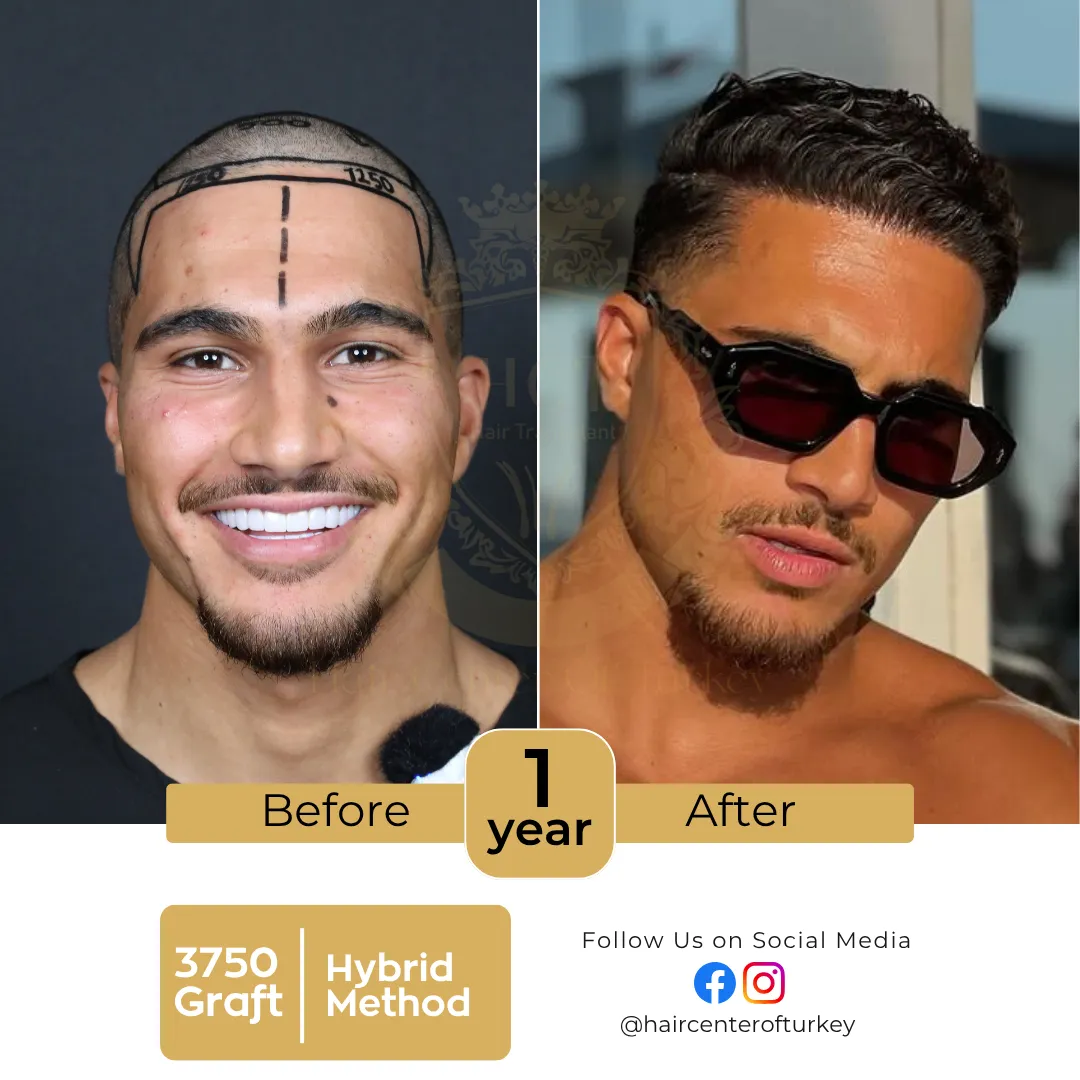
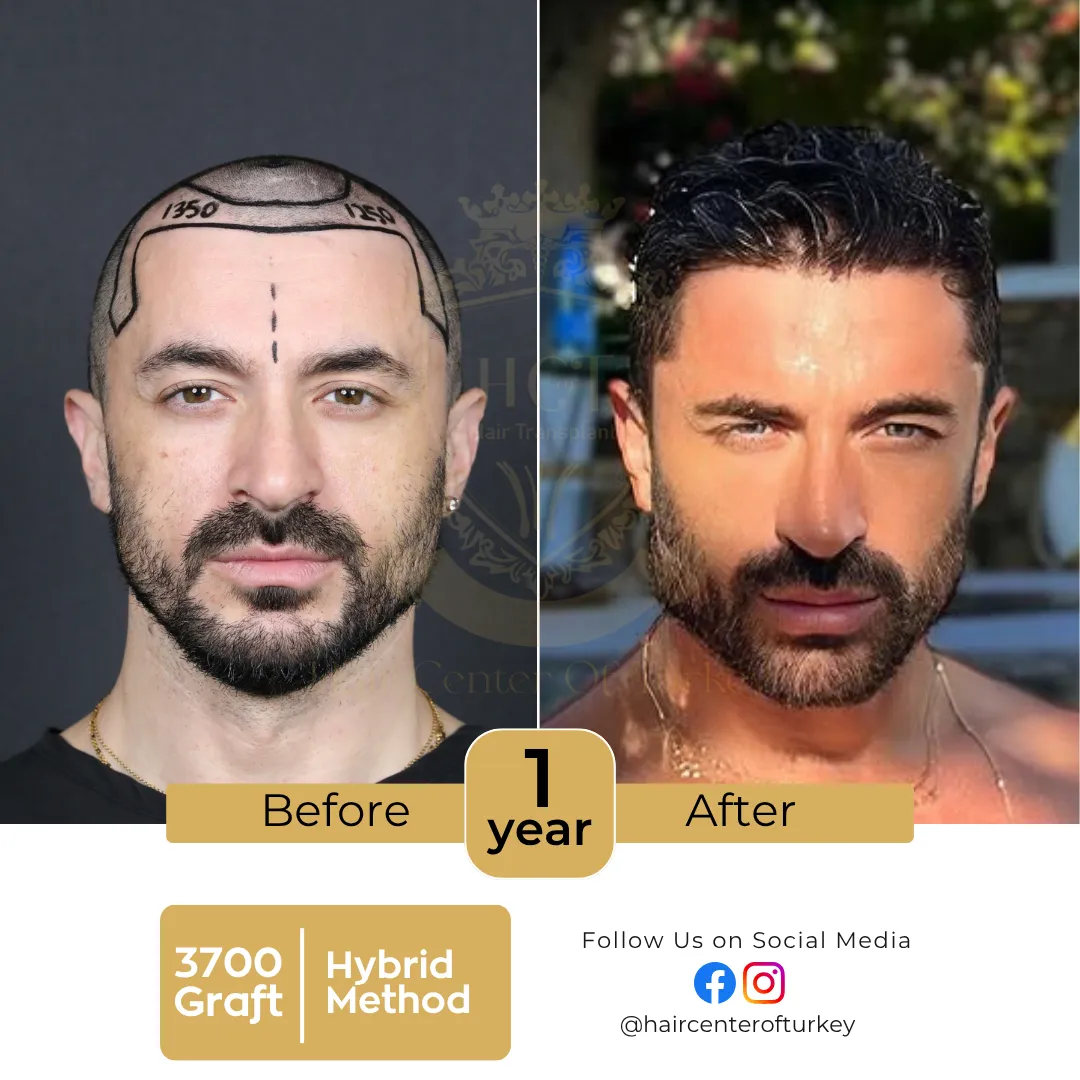
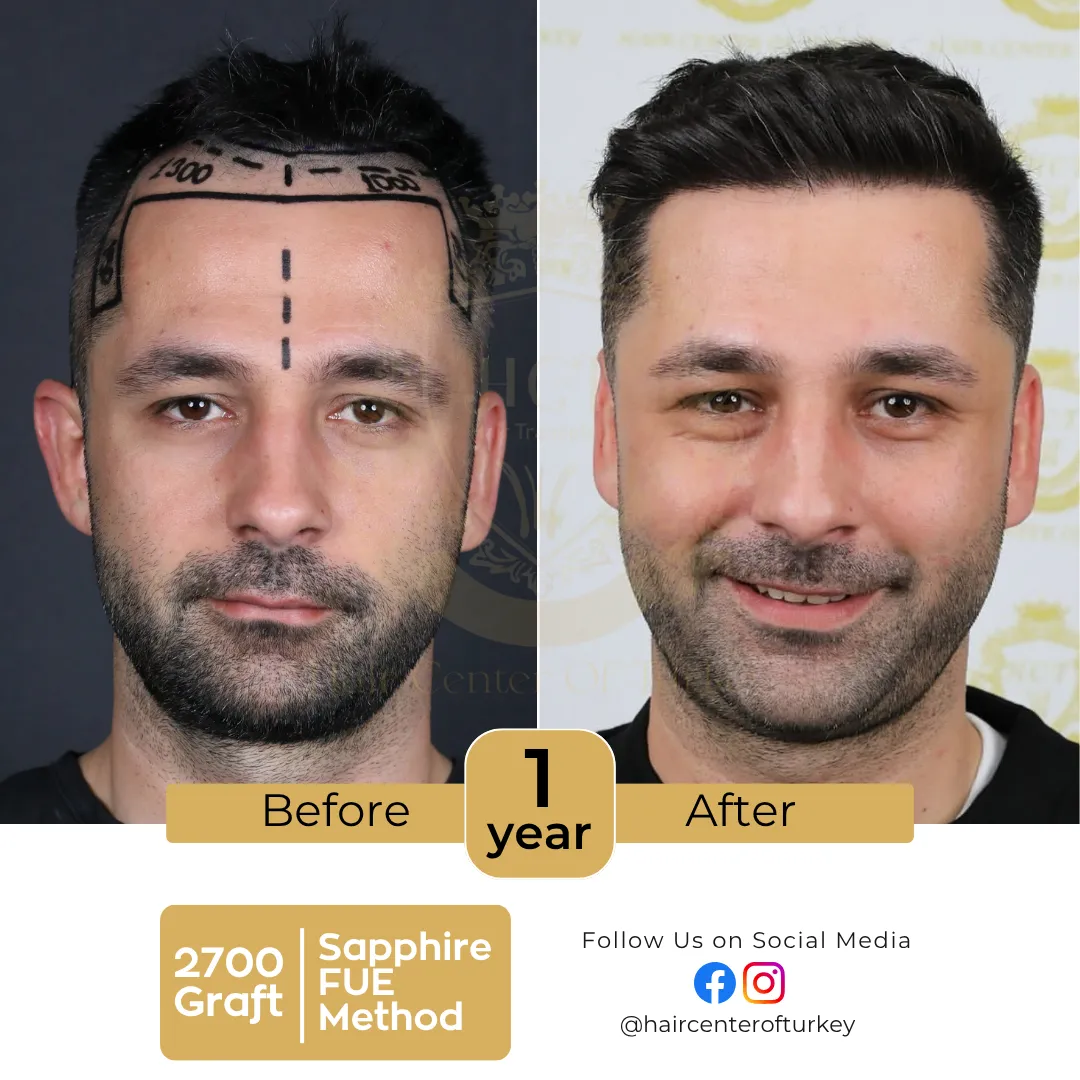
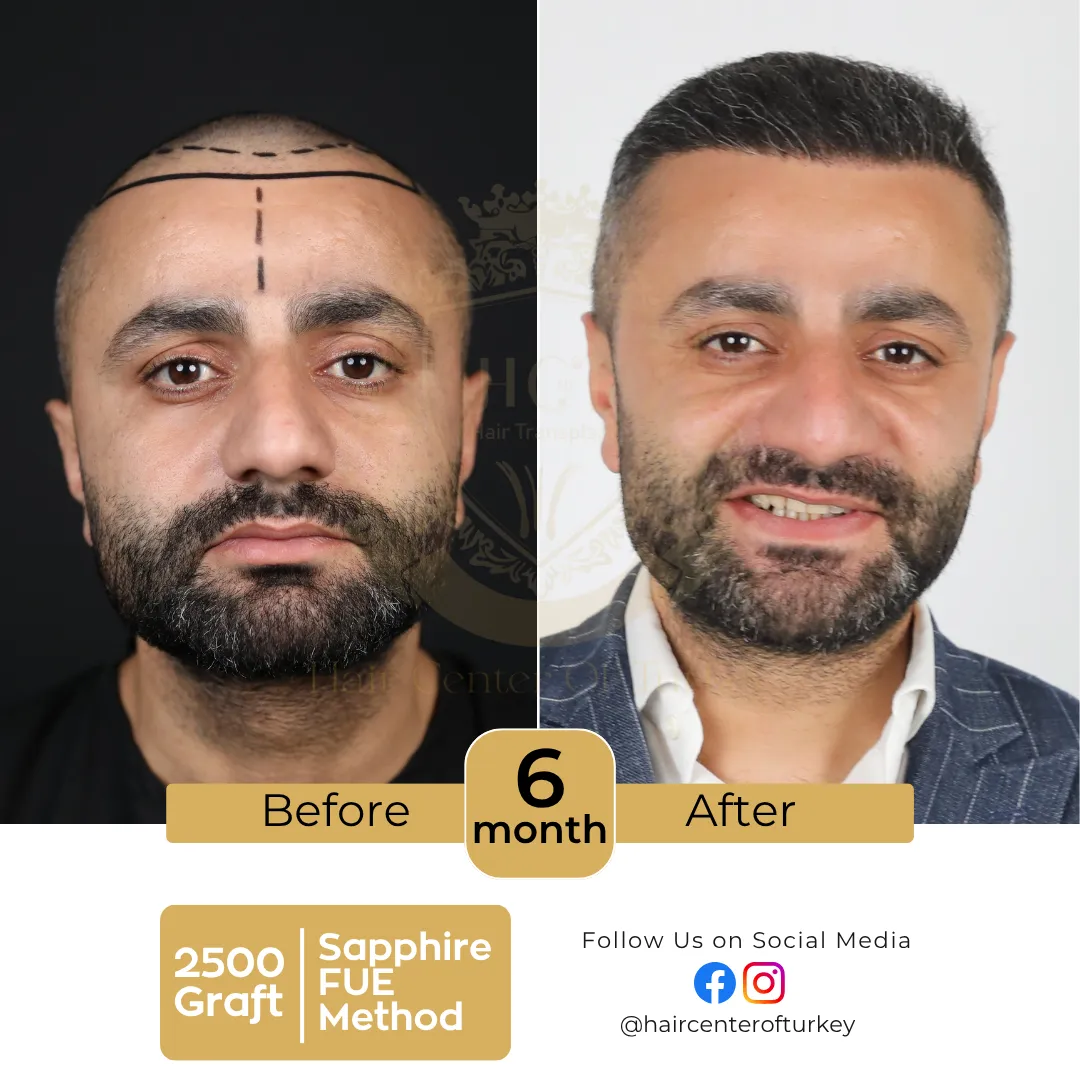
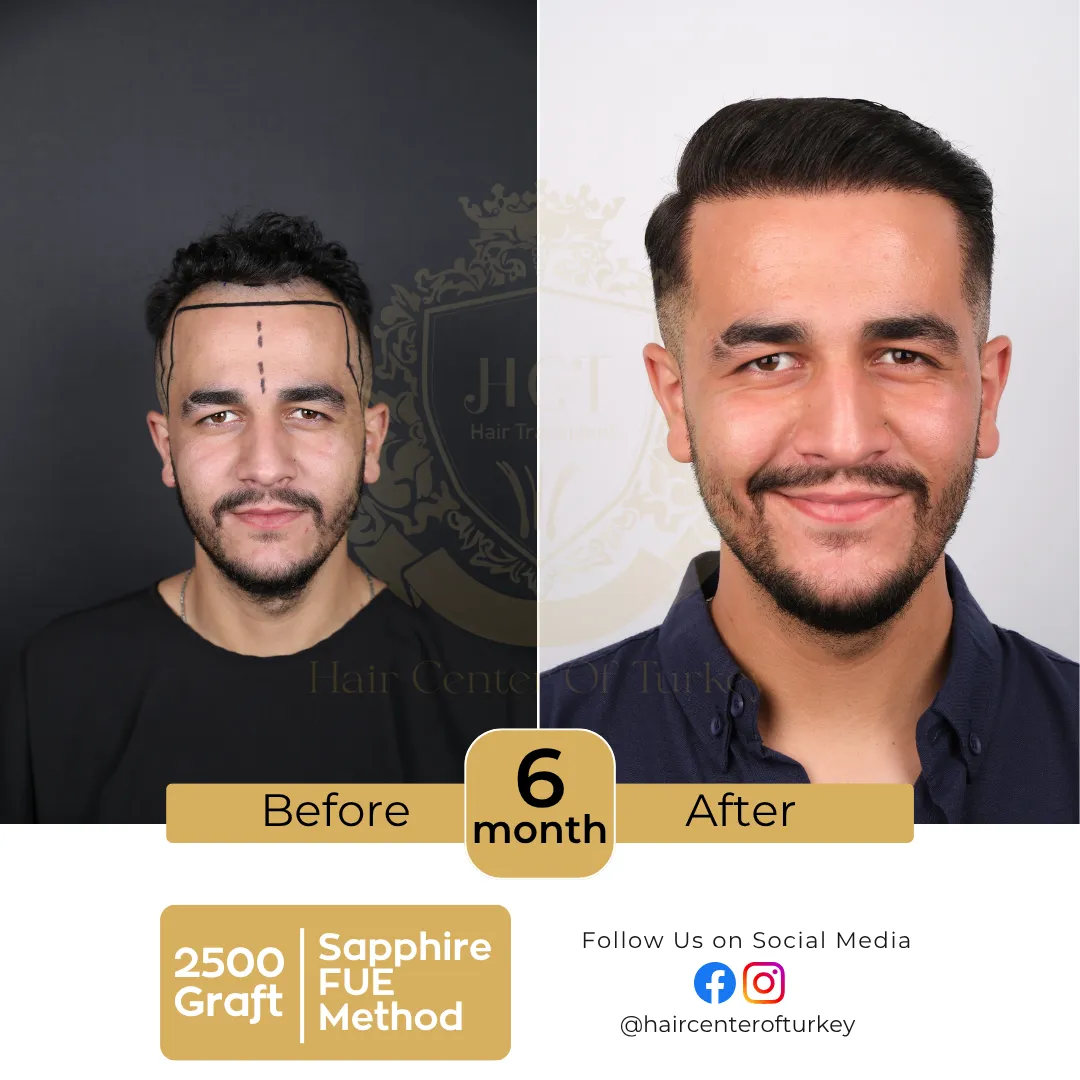
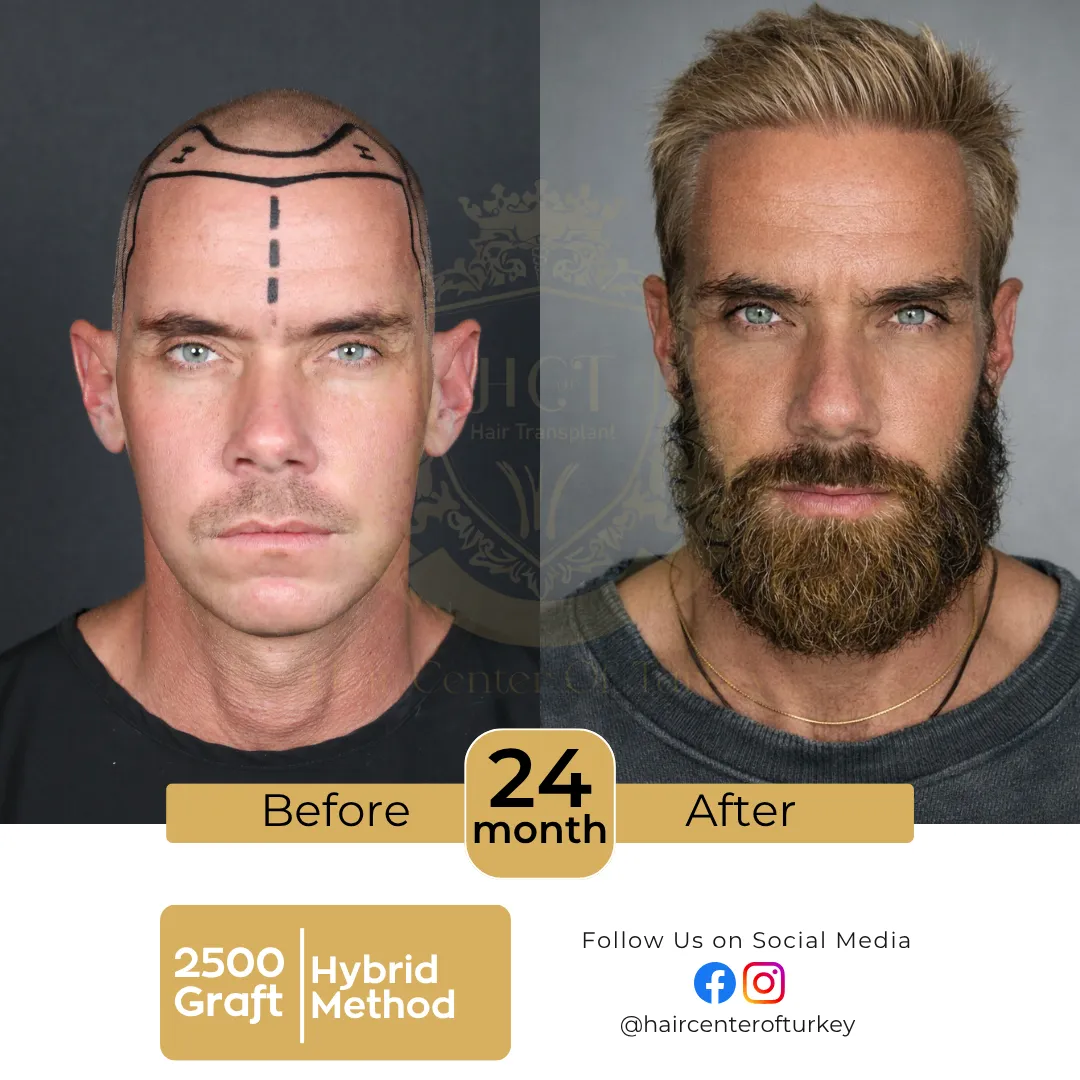
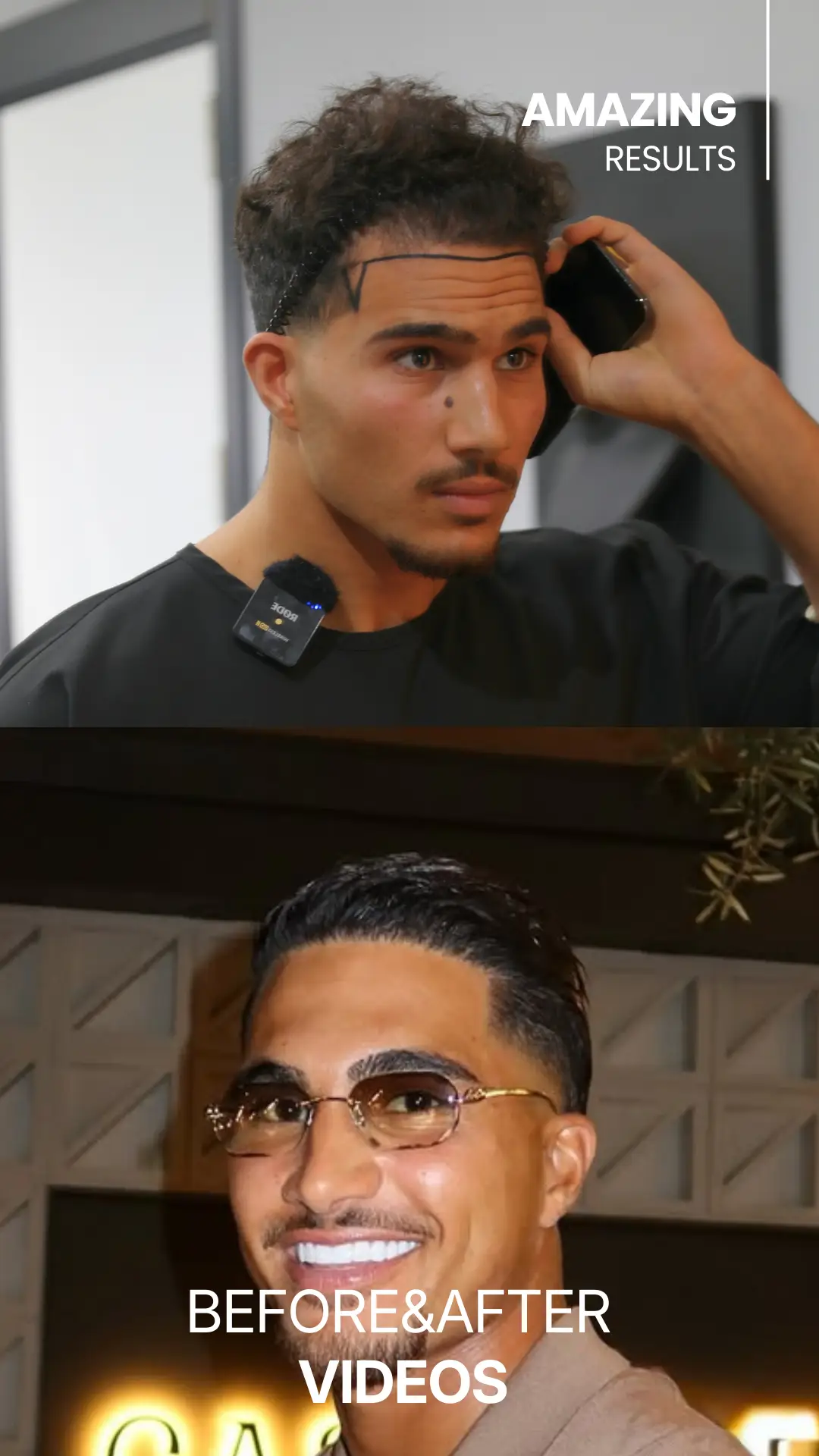
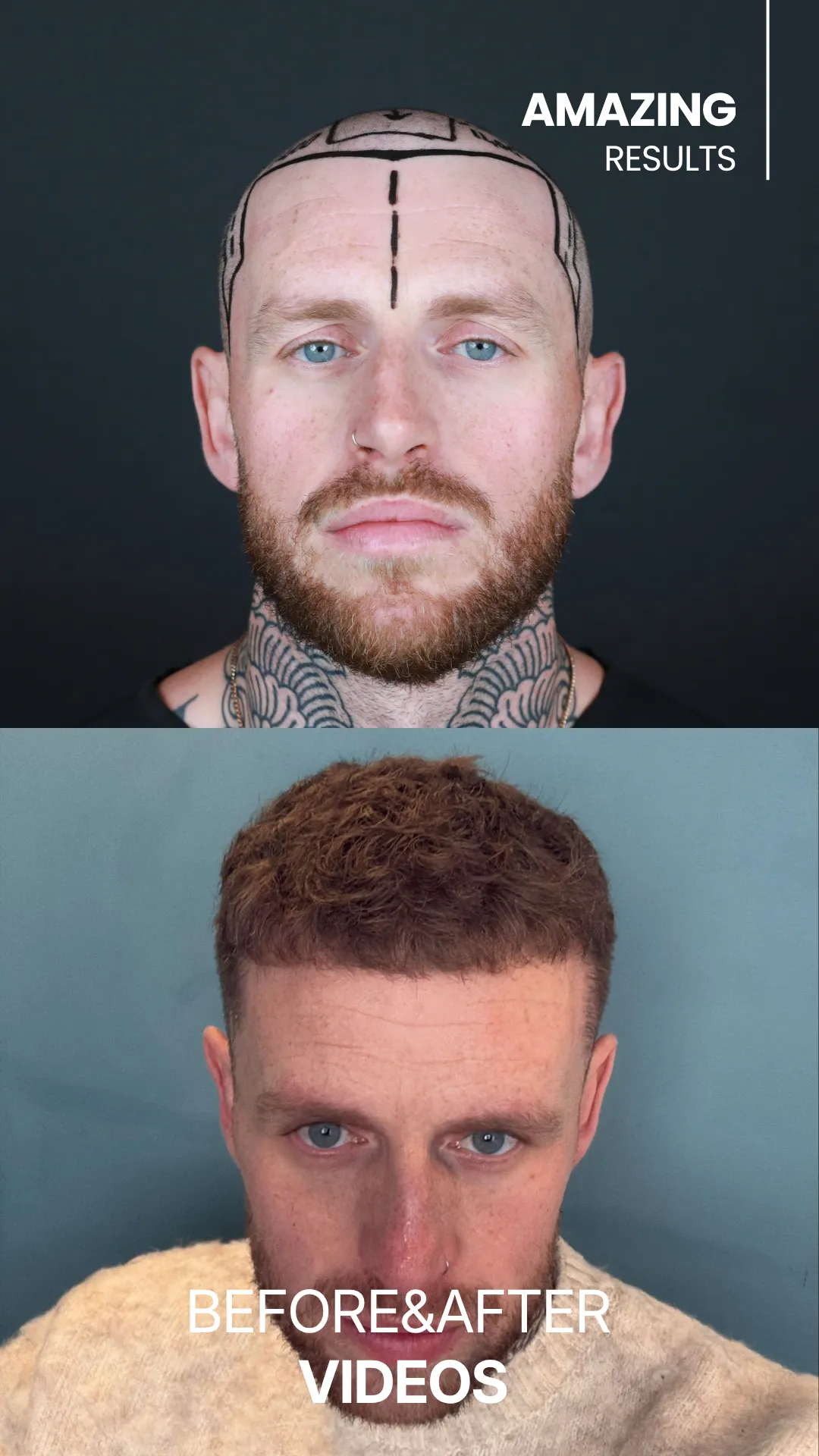
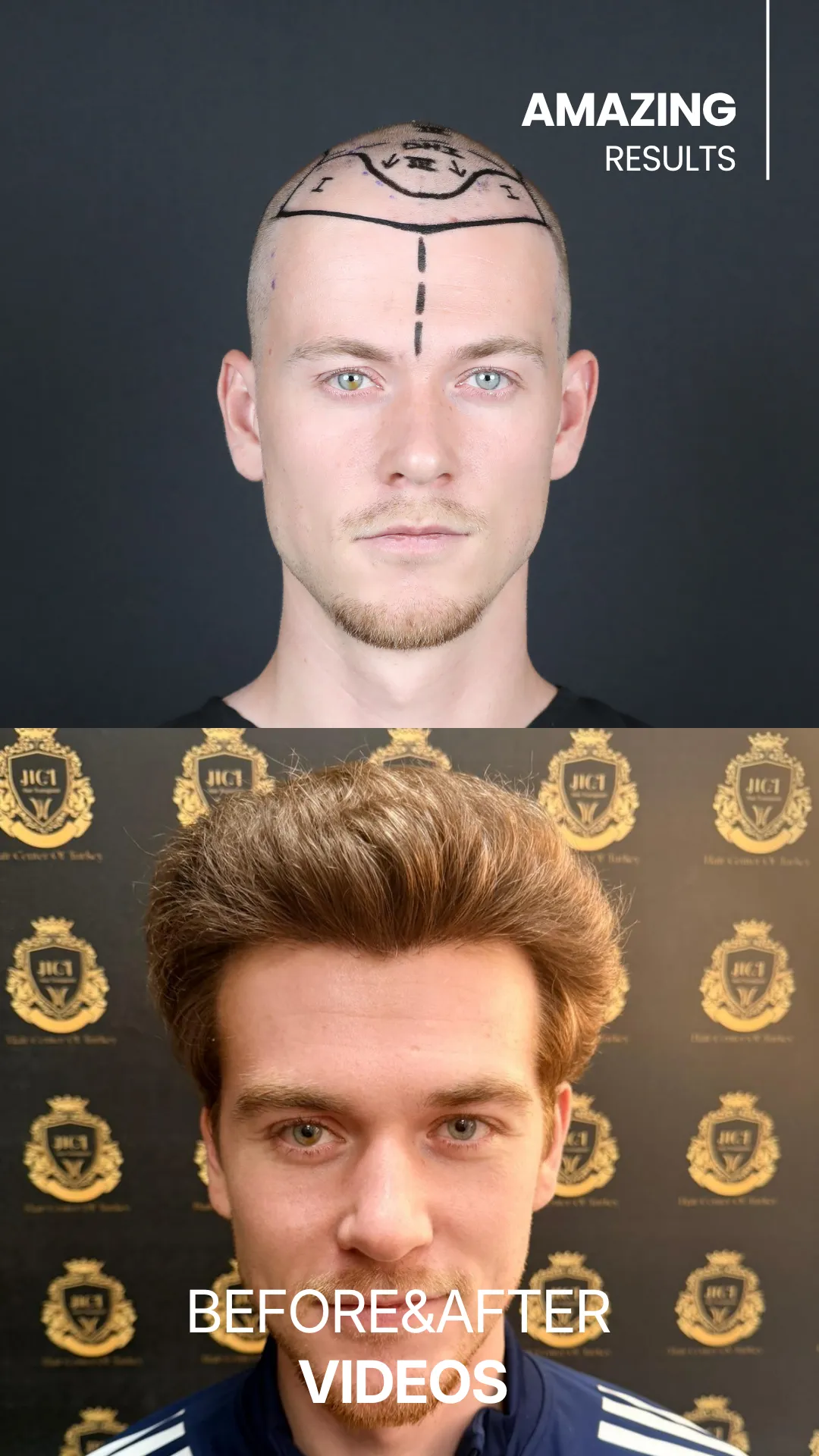
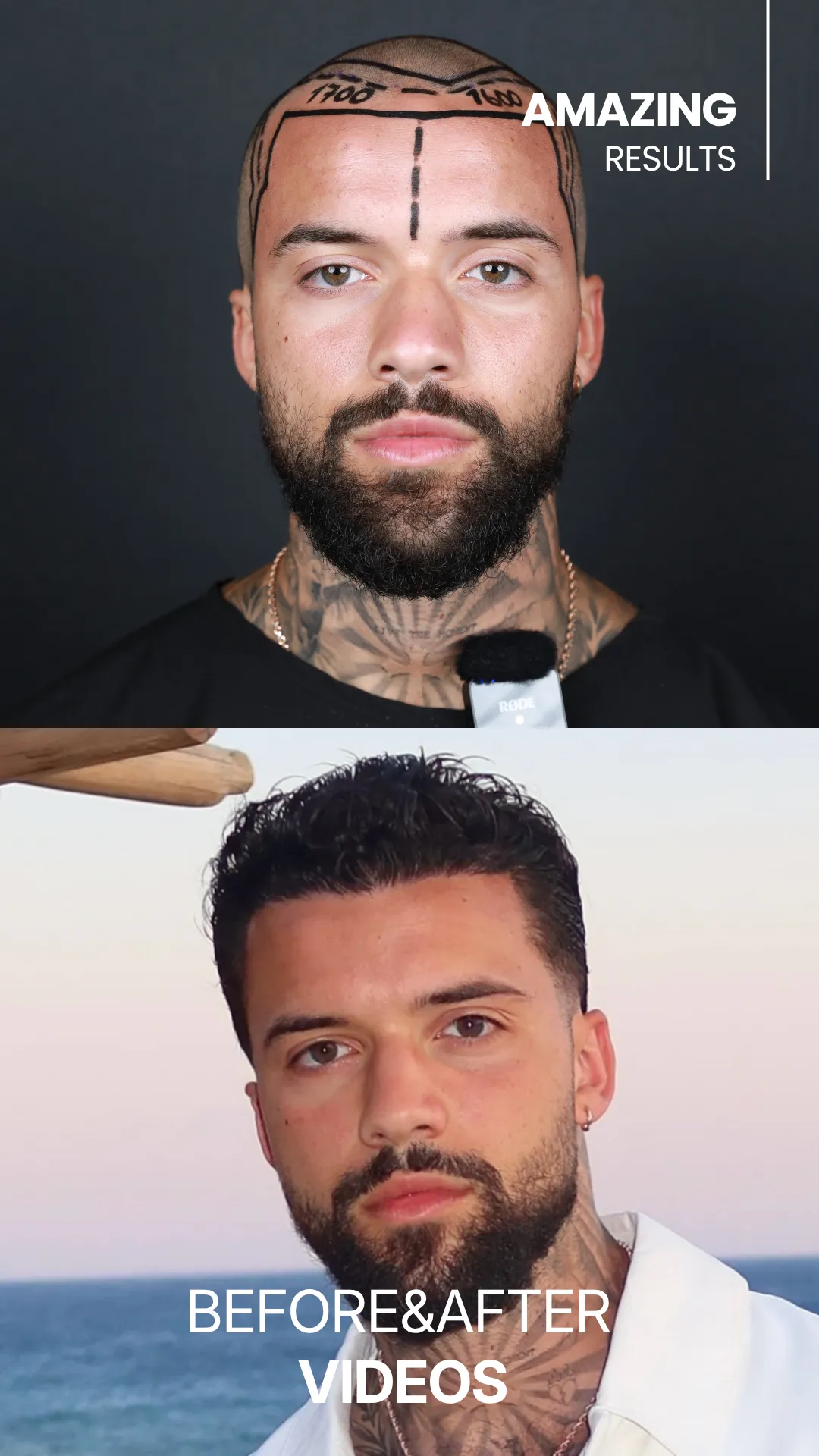
Examine Patient Reviews and Portfolios: Look for independent reviews on platforms like Google, Trustpilot, and medical forums. Request extensive before-and-after photo galleries from the clinic. Pay attention to the naturalness of the hairlines and the density achieved in patients with similar hair loss patterns.
Check for International Accreditations: Certifications like JCI (Joint Commission International) or ISO indicate that the clinic adheres to high standards of safety, quality, and patient care.
Assess Communication and Transparency: A reputable clinic will provide clear, honest, and comprehensive information. They should be willing to answer all your questions without pressure. The consultation process should feel professional and patient-focused.
Be Wary of Unrealistic Promises: Avoid clinics that guarantee a specific number of grafts before a proper assessment or promise results that seem too good to be true. A professional surgeon will provide a realistic outlook based on your individual donor capacity and hair loss pattern.
Potential Risks and How to Mitigate Them
Like any surgical procedure, a hair transplant carries potential risks, though they are generally minimal when performed by a qualified team in a sterile environment. Common concerns include infection, scarring, temporary "shock loss" (shedding of existing hair), and unnatural-looking results.
The most effective way to mitigate these risks is by choosing a highly reputable clinic that operates in a fully equipped hospital setting. Following the pre-operative and post-operative care instructions provided by the clinic is equally important. This includes avoiding alcohol and smoking before the procedure and protecting the scalp from sun exposure and physical impact afterward. Proper aftercare significantly reduces the risk of infection and ensures the best possible environment for the newly implanted grafts to thrive.
The decision to undergo a hair transplant in Turkey can be a transformative one. By combining world-class medical expertise with affordable, all-inclusive packages, Turkish clinics offer a compelling solution for hair loss. The key to a successful outcome lies in diligent research, selecting a certified and experienced surgical team, and having realistic expectations about the final results, which typically become fully visible after 12 to 18 months.