






What Are the Best Hair Transplant Techniques for Different Hair Loss Types?
Hair loss can vary significantly in pattern, cause, and severity, which is why choosing the right hair transplant technique is crucial.
Advancements in hair restoration techniques provide tailored solutions for different hair loss types. This guide explores the best hair transplant methods based on the type of hair loss you’re experiencing.
Índice
Why Does the Type of Hair Loss Matter When Choosing a Technique?
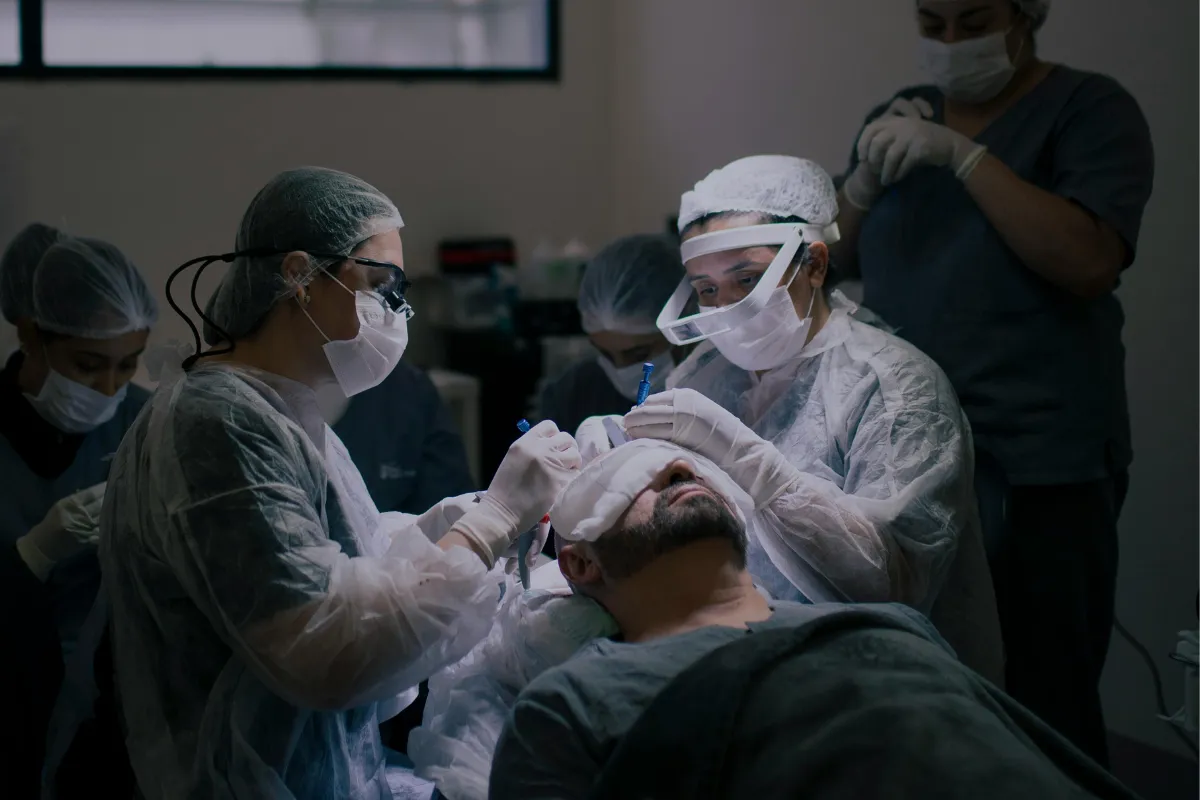
Understanding the cause and pattern of hair loss is essential when selecting the appropriate transplant method. Some techniques are better suited for patchy or localized loss, while others work best for widespread thinning. Choosing the right method ensures optimal results, minimizes scalp trauma, and preserves donor hair.
Common Types of Hair Loss
Before deciding on a treatment, it’s important to understand the most common types of hair loss:
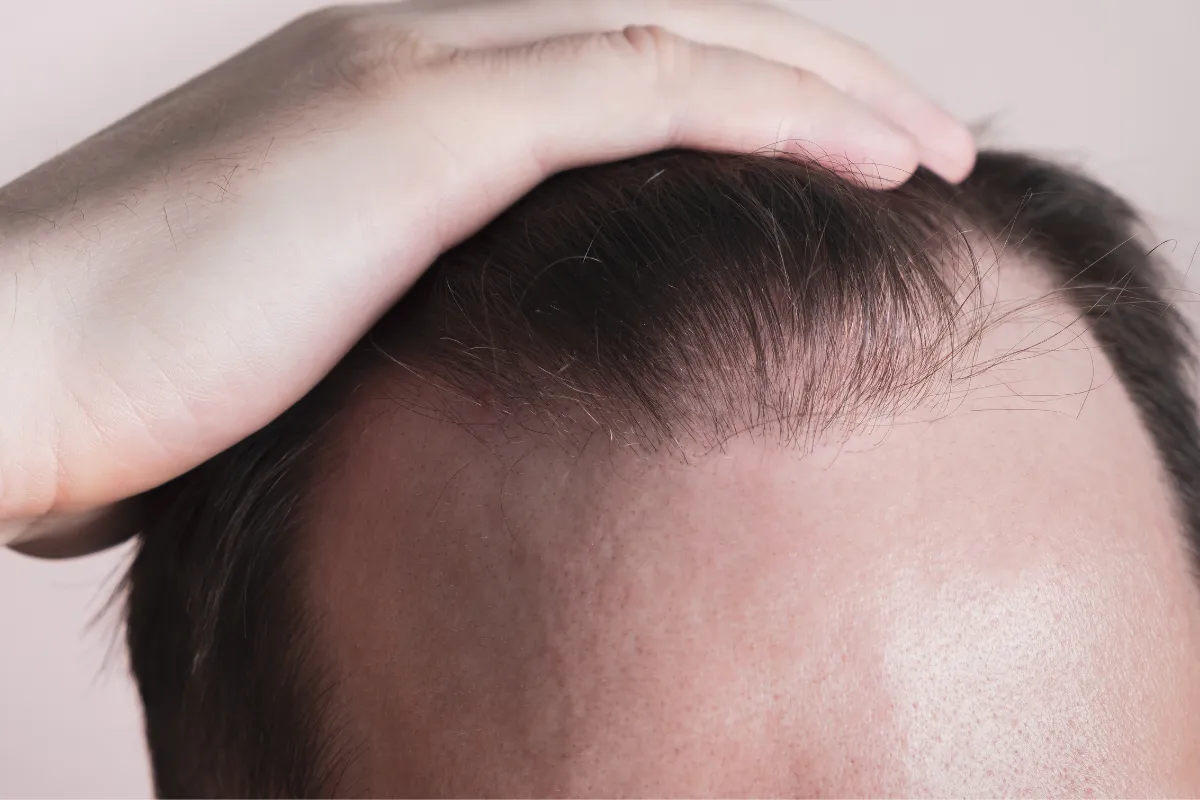
Androgenetic Alopecia (Male/Female Pattern Baldness): This is the most common type, characterized by a receding hairline or thinning crown in men, and diffuse thinning in women.
Alopecia Areata: An autoimmune condition causing patchy bald spots.
Scarring Alopecia: Permanent hair loss due to inflammation that damages hair follicles.
Traction Alopecia: Caused by tension from hairstyles that pull on the scalp.
Telogen Effluvium: Temporary hair loss triggered by stress, illness, or hormonal shifts.
Each condition requires a different treatment approach, and hair transplant surgery may not always be the best solution.
Which Techniques Work Best for Androgenetic Alopecia?
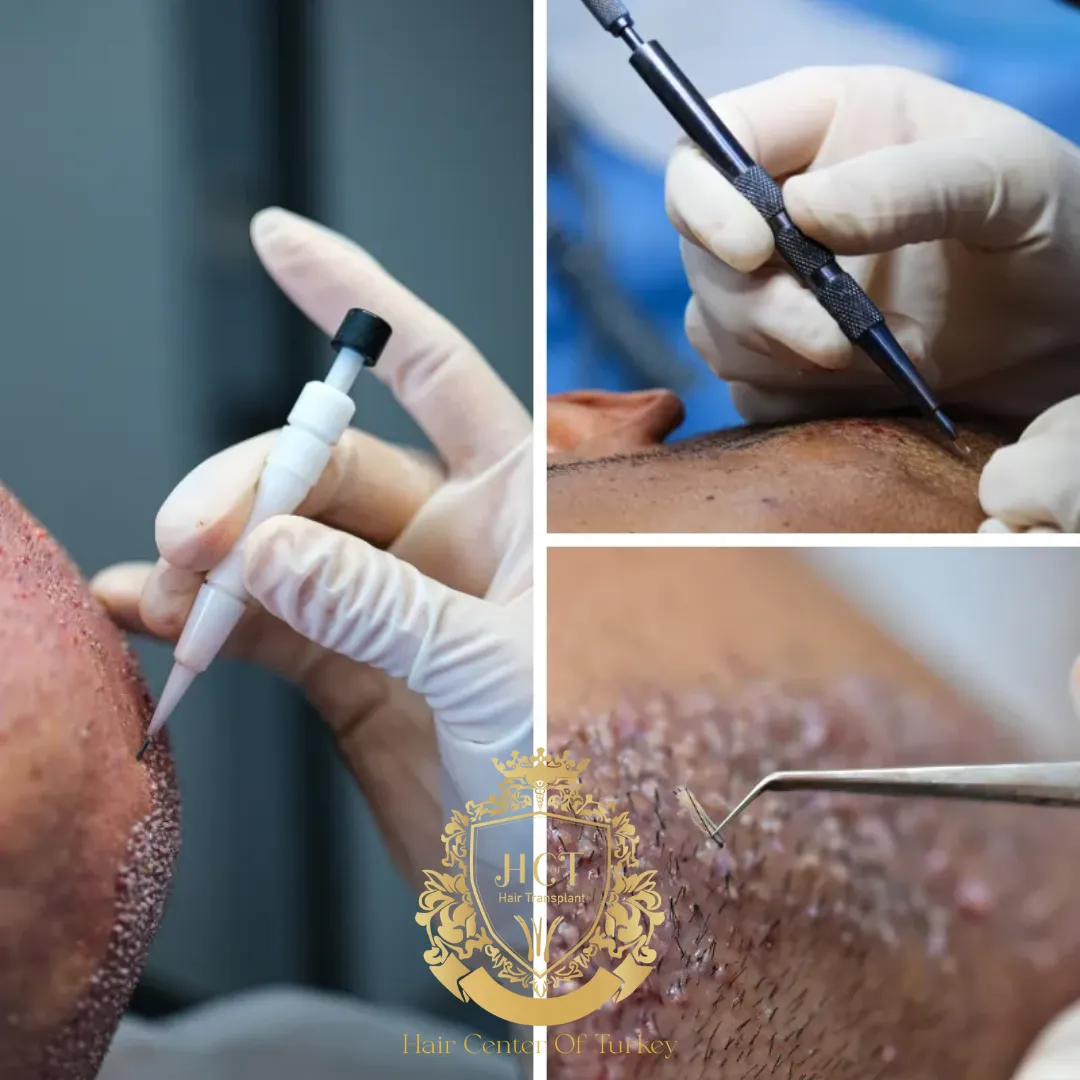
For patients with androgenetic alopecia, both FUE (Follicular Unit Extraction) and DHI (Direct Hair Implantation) are excellent choices.
FUE is ideal for those with moderate to advanced hair loss, especially when covering large areas. It involves extracting individual follicular units and transplanting them into the thinning areas.
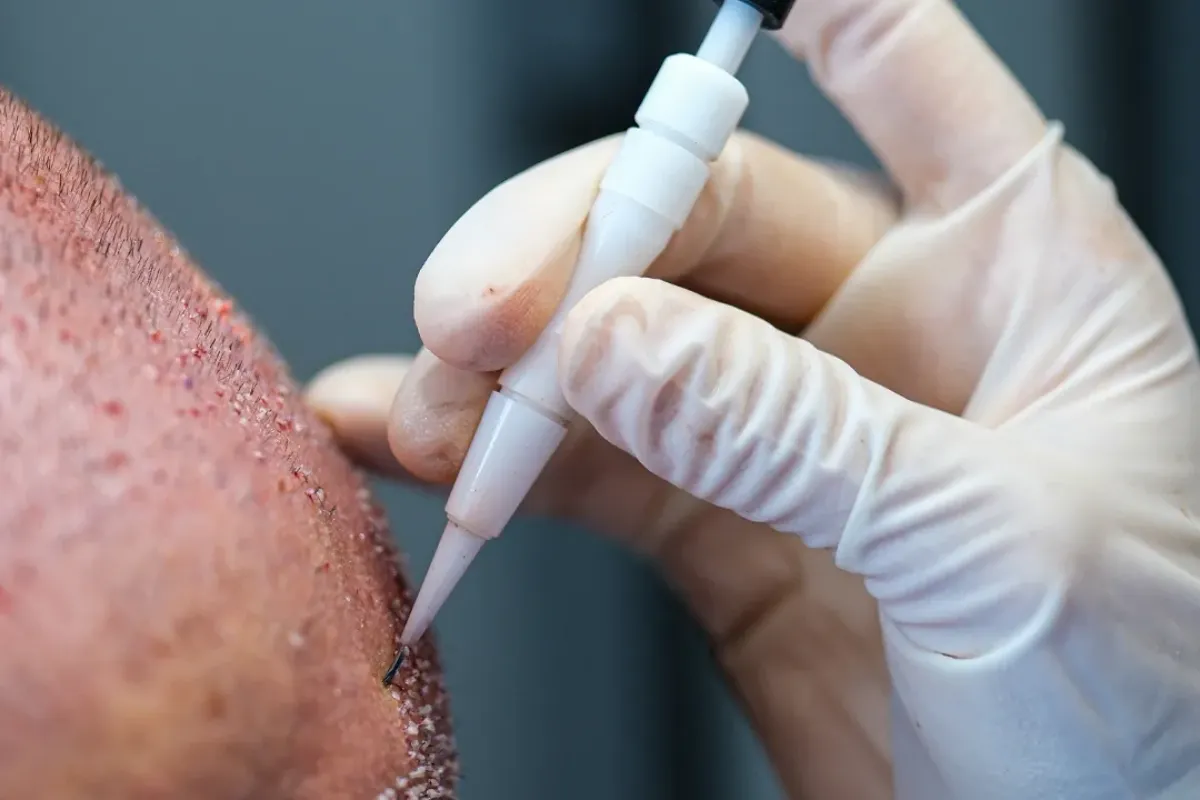
DHI is a variant of FUE that allows for more precise control over hair density and angle, as it involves direct implantation without making incisions beforehand. This method is especially useful for people with partially thinning areas.
Is Hair Transplant Effective for Alopecia Areata?
Hair transplants are generally not recommended for alopecia areata due to its unpredictable nature. Since the condition is autoimmune, it may cause further patches of hair loss after transplantation.
In these cases, non-surgical treatments like corticosteroids, PRP therapy, or immunosuppressants may be more effective until the condition stabilizes.
Can Scarring Alopecia Patients Get a Hair Transplant?
Yes, but with caution. Scarring alopecia leads to permanent follicular damage and reduced blood flow in the affected areas. Transplants may be possible once inflammation has subsided and the condition is under control.
FUE is typically preferred over FUT (Follicular Unit Transplantation) for scarring alopecia, as it is less invasive and targets specific areas. A thorough evaluation, including a scalp biopsy, is necessary before proceeding.
What About Traction Alopecia?
Traction alopecia results from the tension created by tight hairstyles like braids or ponytails. In early stages, the hair may regrow once the tension is removed. However, in advanced cases where the hair follicles are permanently damaged, hair transplants can be highly effective.
DHI is particularly beneficial for traction alopecia, especially when reconstructing the hairline or the temples, as it allows for precision and faster recovery.
Is Telogen Effluvium Suitable for Hair Transplant?
Telogen effluvium is typically a temporary condition caused by stress, illness, or hormonal changes. Since the hair often regrows naturally once the underlying cause is addressed, a hair transplant is generally not recommended for this type of loss.
Instead, treating the root cause, such as balancing hormones or addressing nutritional deficiencies, is the best approach.
Can Women Benefit from Hair Transplants for Diffuse Thinning?
Women with female pattern hair loss (diffuse thinning) can benefit from DHI, which allows for implantation between existing hairs without the need to shave the head. This technique is ideal for women seeking a fuller appearance while maintaining the natural look of their hair.
However, it’s essential to ensure that the thinning isn’t due to underlying conditions like thyroid disease or hormonal imbalances, which need to be addressed first.
Are There Any Alternatives to Hair Transplantation?
While hair transplants offer a permanent solution, they may not be suitable for everyone. There are several non-surgical alternatives:
Minoxidil (Topical): An FDA-approved treatment for stimulating hair regrowth.
Finasteride (Oral): A prescription medication that blocks DHT and helps slow hair loss in men.
Low-Level Laser Therapy (LLLT): A non-invasive method that stimulates blood flow to the scalp.
PRP (Platelet-Rich Plasma) Therapy: Uses your blood to stimulate hair follicles.
Scalp Micropigmentation: A cosmetic solution that creates the illusion of fuller hair.
Hair Fibers: Temporary cosmetic products that conceal thinning hair.
These treatments can help manage hair loss or improve the appearance of thinning hair while delaying the need for surgery.
Perguntas frequentes
Qual é o melhor, FUE ou FUT ou DHI?
Melhor escolha: cirurgião experiente; FUE comum, FUT maior rendimento de enxertos, DHI precisão.
Qual é a técnica de transplante capilar mais bem-sucedida?
Mais bem-sucedida é a técnica que seu cirurgião experiente executa melhor para seu padrão.
Qual é melhor, PRP ou FUE?
FUE cria novos fios; PRP só apoia folículos existentes e pode engrossar.
Qual é melhor, FUE ou FUT?
FUE deixa microcicatrizes; FUT rende mais enxertos por sessão, com cicatriz linear.
O que é melhor, transplante capilar DHI ou FUE?
DHI é FUE com caneta implantadora; resultados semelhantes quando bem executado.